How to Choose Between Software Engineering and Data Science
The tech industry continues to evolve rapidly, with software engineering and data science standing out as two of the most sought-after career paths. Both fields offer lucrative opportunities, intellectual challenges, and significant impact across industries. However, choosing between them can be daunting, especially for those just starting their careers or considering a transition. Reads on as to how to choose between software engineering or Data Science as a career
So how do you choose between them?
This guide breaks down the differences, highlights real-world examples from hiring companies, and shows how SynergisticIT’s job placement programs help candidates land roles in either field—whether you’re a fresh grad, career changer, or bootcamp alumni.
Understanding the Fields: Definitions and Core Focus
What is Software Engineering?
Software engineering involves designing, developing, testing, and maintaining software systems and applications. Software engineers apply engineering principles to create robust, scalable, and user-friendly products, ranging from mobile apps to enterprise systems. Their work focuses on writing clean, efficient code and ensuring systems meet functional and performance requirements.
Key Responsibilities:
Designing and implementing software architectures.
Writing and debugging code in languages like Python, Java, or C++.
Collaborating with product managers, designers, and other engineers.
Maintaining and updating software systems for performance and security.
Google hires software engineers to build scalable systems like Gmail and Android.
Amazon employs engineers to develop backend services for AWS and e-commerce platforms.
Meta engineers work on infrastructure and AI platforms that support billions of users.
Common Job Titles:
Full-Stack Developer
Backend Engineer
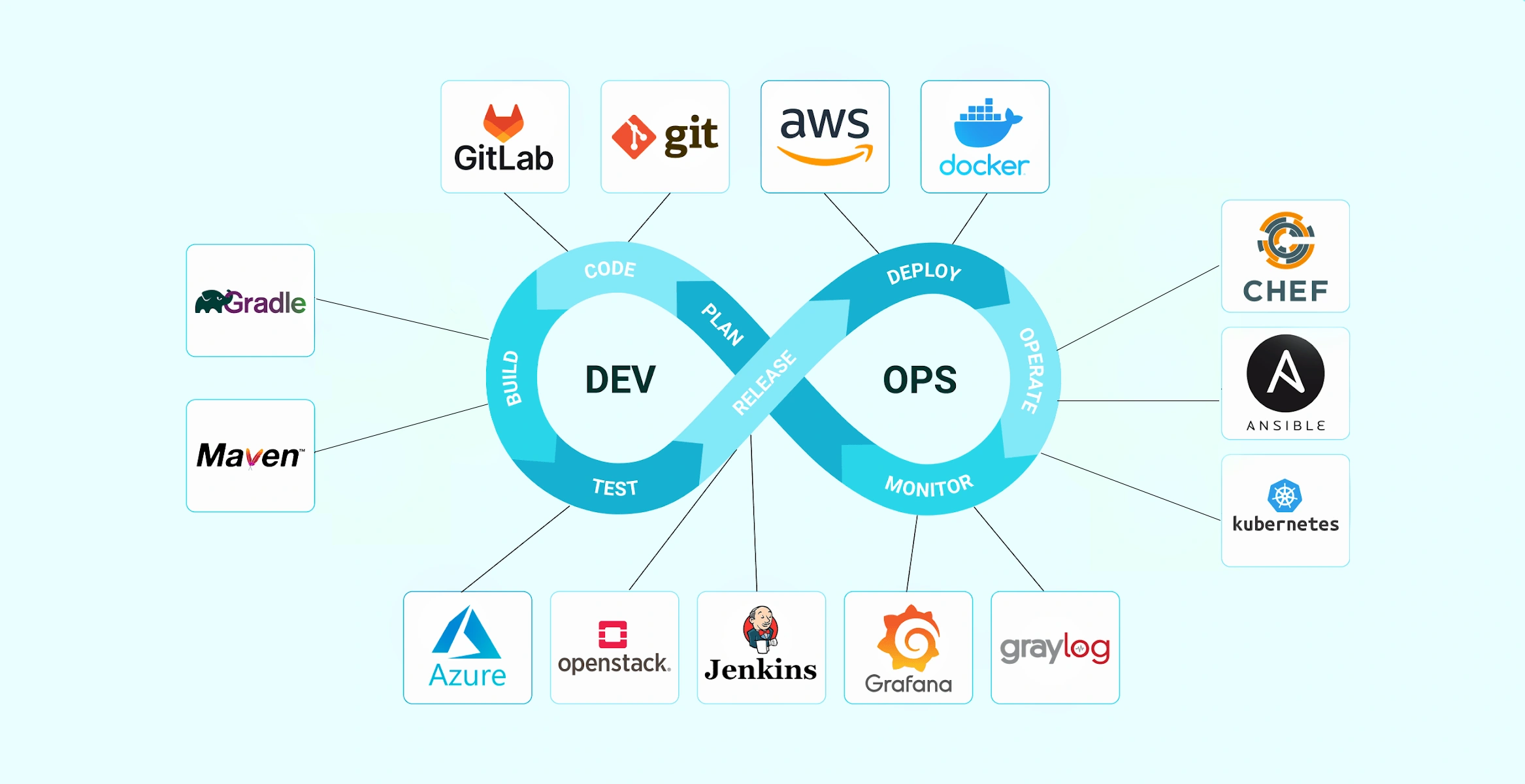
DevOps Engineer
Mobile App Developer
Cloud Engineer
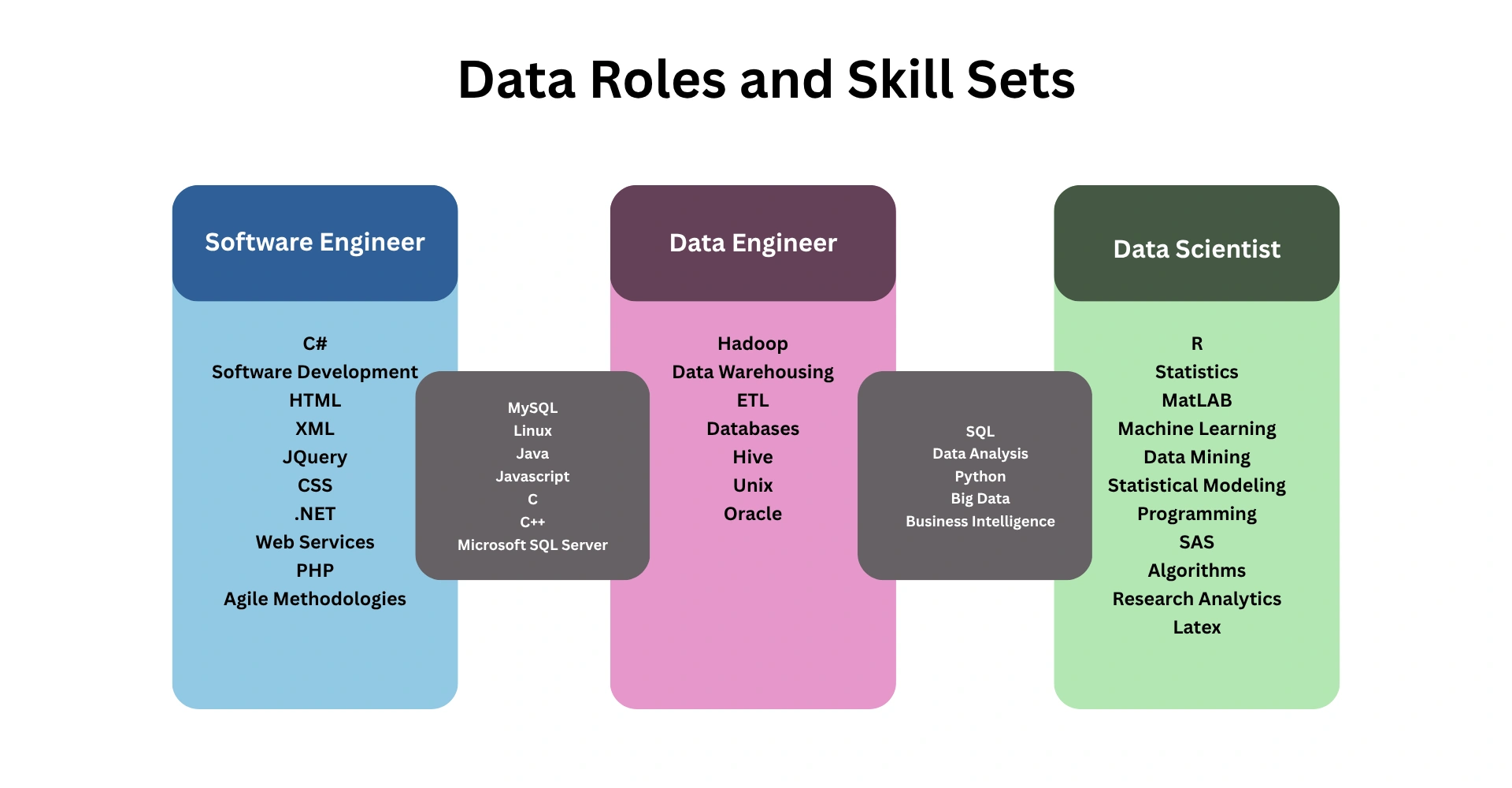
Skills You’ll Need:
Java, Python, or JavaScript
Spring Boot, React, Node.js
Git, Docker, Kubernetes
REST APIs and microservices
System design and architecture
What is Data Science?
Data science is an interdisciplinary field that combines statistics, programming, and domain expertise to extract actionable insights from structured and unstructured data. Data scientists use machine learning, statistical modeling, and data visualization to solve business problems and inform decision-making.
Key Responsibilities:
Collecting, cleaning, and analyzing large datasets.
Building and deploying machine learning models.
Creating data visualizations to communicate insights.
Collaborating with business stakeholders to align data solutions with organizational goals.
Netflix uses data science to power its recommendation engine.
Airbnb applies machine learning to optimize pricing and search results.
Visa uses predictive analytics to detect fraud and improve customer experience.
Common Job Titles:
Data Scientist
Machine Learning Engineer
Data Analyst
AI Researcher
Business Intelligence Analyst
Skills You’ll Need:
Python, R, SQL
Pandas, NumPy, scikit-learn
Data visualization (Tableau, Power BI)
Statistical modeling and hypothesis testing
Cloud platforms (AWS, GCP, Azure)
Key Differences Between Software Engineering and Data Science
While both fields involve coding and problem-solving, their focus, workflows, and outcomes differ significantly. Below is a detailed comparison to highlight these distinctions.
Let’s start with a side-by-side comparison:
Aspect
Software Engineering
Data Science
Primary Goal
Build scalable, reliable software systems
Extract insights and predictions from data
Core Skills
Programming, system design, DevOps
Statistics, machine learning, data analysis
Languages
Java, Python, JavaScript, C++
Python, R, SQL, Scala
Tools
Git, Docker, Kubernetes, Spring Boot
Pandas, scikit-learn, TensorFlow, Tableau
Typical Output
Web apps, APIs, mobile apps, cloud platforms
Reports, dashboards, predictive models
Work Style
Agile development, team collaboration
Research-oriented, cross-functional analysis
Best For
Builders, problem-solvers, product thinkers
Analysts, researchers, pattern seekers
1. Focus and Objectives
Software Engineering: Focuses on building and maintaining functional software systems. The goal is to deliver reliable, scalable, and user-friendly products, such as apps, websites, or backend systems.
Data Science: Centers on analyzing data to uncover patterns, predict trends, and provide actionable insights. The goal is to drive data-informed decision-making, often with a research-oriented approach.
2. Skill Sets
Software Engineering:
Strong programming and system design skills.
Knowledge of software development methodologies (e.g., Agile, DevOps).
Expertise in algorithms, data structures, and system architecture.
Data Science:
Proficiency in statistics, probability, and linear algebra.
Expertise in machine learning and data modeling.
Strong data visualization and storytelling skills.
3. Work Environment
Software Engineering: Typically involves structured project timelines and deliverables, often within larger engineering teams. Collaboration with developers, QA testers, and product managers is common.
Data Science: Often involves open-ended exploration and experimentation, with smaller, cross-functional teams. Data scientists frequently work with business analysts and stakeholders.
4. Tools and Technologies
While both fields use programming languages like Python, their toolkits diverge:
Software Engineering: Emphasizes tools for building systems (e.g., IDEs, CI/CD pipelines, cloud platforms like AWS).
Data Science: Relies on tools for data manipulation and analysis (e.g., Pandas, R, Tableau, Apache Spark).
5. Outcomes and Deliverables
Software Engineering: Produces tangible products like applications, APIs, or platforms, with success measured by code quality, system performance, and user satisfaction.
Data Science: Delivers insights, predictive models, or visualizations, with success measured by prediction accuracy, business impact, and analytical rigor.
Salary and Career Prospects (2024-2025)
Both software engineering and data science offer competitive salaries and strong job growth, but differences exist based on role, experience, and location. Below are recent salary ranges and job outlook data from 2024 and 2025.
Salary Comparison
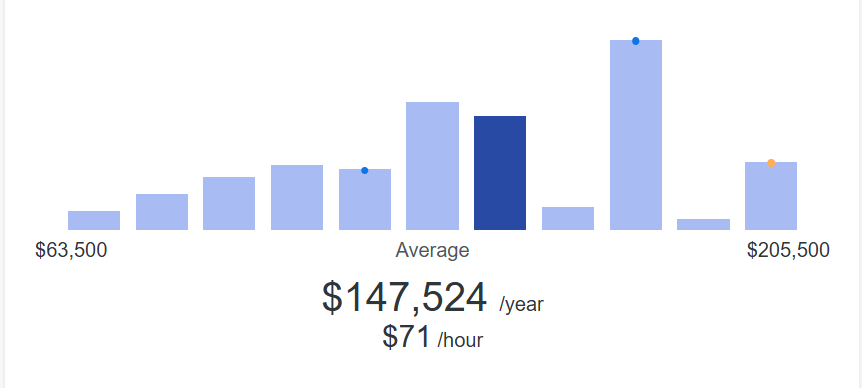
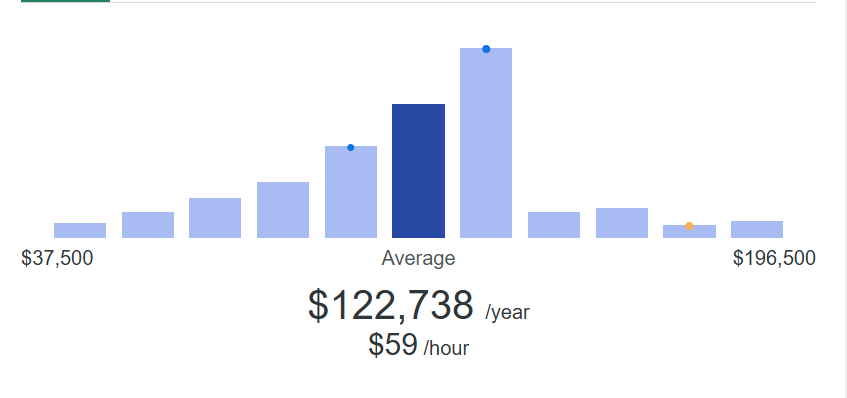
According to data, salaries vary by experience level and role:
Role
Entry-Level Salary
Mid-Level Salary
Senior-Level Salary
Software Engineer
$70,000-$80,000
$125,000
$200,000+
Data Scientist
$63,000-$113,000
$97,000-$147,000
$200,000+
Key Notes:
Salaries vary significantly by location, company size, and industry. Top tech companies in competitive markets (e.g., San Francisco, New York) often offer higher compensation, including stock options.
Data science salaries can have a wider range at entry-level due to varying roles (e.g., data analyst vs. junior data scientist).
In 2025, the average annual salary for a data scientist in the U.S. is $127,870per the U.S. Bureau of Labor Statistics.
Job Outlook
Software Engineering:
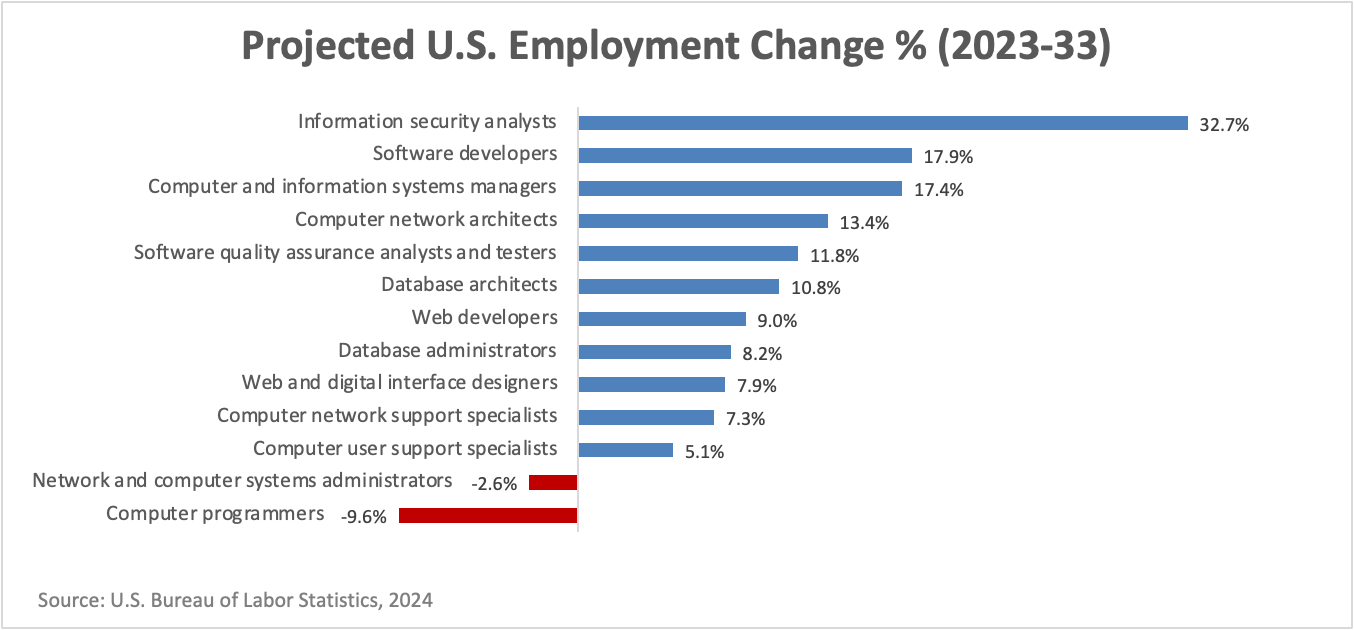
The U.S. Bureau of Labor Statistics (BLS) projects a 25% growth in employment for software developers, quality assurance analysts, and testers from 2022 to 2032, much faster than the average for all occupations.
Demand remains high across industries like tech, finance, healthcare, and retail.
Data Science:
The demand for data scientists increased by 56% from 2020 to 2022, with continued growth expected due to the rise of big data and AI.
Machine learning and NLP skills are particularly in demand, with NLP appearing in 19% of data science job postings in 2024, up from 5% in 2023.
Industry Trends
Software Engineering: The rise of DevOps and AI-driven development is shaping the field. By 2025, 50% of new enterprise applications are expected to use AI-driven development tools.
Data Science: The global data science platform market is projected to grow at a CAGR of 25.7% from 2022 to 2032, driven by AI and big data. By 2025, global data creation is expected to reach 175 zettabytes, increasing the need for data scientists.
Educational and Skill Requirements
Software EngineeringEducational Background:
A bachelor’s degree in computer science, software engineering, or a related field is common.
Self-taught developers and bootcamp graduates are increasingly accepted, with 30% of job postings in 2024 not requiring a degree.
Key Skills:
Proficiency in programming languages (e.g., Python, Java, C++).
Knowledge of system design, algorithms, and data structures.
Familiarity with DevOps practices and cloud platforms (e.g., AWS, Azure).
Certifications:
AWS Certified Solutions Architect.
Microsoft Certified: Azure Developer Associate.
Certified Kubernetes Administrator (CKA).
Data ScienceEducational Background:
A bachelor’s degree in statistics, mathematics, or computer science is common, with 20% of job postings requiring it in 2024. However, 30% require a master’s degree, and 24% prefer a PhD.
Bootcamps and certifications are gaining acceptance as alternative pathways.
Key Skills:
Strong foundation in statistics, probability, and linear algebra.
Proficiency in Python, R, and SQL (Python was mentioned in 57% of data science job postings in 2024).
Expertise in machine learning, data visualization, and domain knowledge.
Certifications:
Google Professional Data Engineer.
Microsoft Certified: Azure Data Scientist Associate.
TensorFlow Developer Certificate.
Day-to-Day Work and Lifestyle
Software EngineeringTypical Day:
Writing and reviewing code.
Participating in stand-up meetings and sprint planning.
Debugging and optimizing software performance.
Collaborating with cross-functional teams to deliver features.
Work Environment:
Structured, with clear deadlines and deliverables.
Often part of larger engineering teams with specialized roles (e.g., frontend, backend, DevOps).
Challenges:
Keeping up with rapidly evolving technologies and frameworks.
Managing technical debt and ensuring code quality.
Balancing speed and quality in fast-paced development cycles.
Data ScienceTypical Day:
Cleaning and preprocessing data.
Building and testing machine learning models.
Creating visualizations to present findings to stakeholders.
Conducting exploratory data analysis to identify trends.
Work Environment:
More experimental, with open-ended projects.
Smaller, cross-functional teams working closely with business units.
Challenges:
Handling messy, unstructured data (global data is expected to reach 175 zettabytes by 2025, much of it unstructured).
Ensuring model accuracy and addressing ethical concerns (81% of data scientists are concerned about ethical implications).
Communicating complex findings to non-technical audiences.
Transitioning Between Fields
Both fields share foundational skills, such as programming and problem-solving, making transitions possible. However, each requires additional expertise:
From Software Engineering to Data Science:
Learn statistics, probability, and machine learning.
Gain proficiency in data-specific tools (e.g., Pandas, Scikit-learn).
Build domain knowledge in industries like finance or healthcare.
From Data Science to Software Engineering:
Strengthen software development practices (e.g., system design, testing).
Learn additional programming languages (e.g., Java, C++).
Gain experience with DevOps and cloud platforms.
Transitions are common, especially for roles like machine learning engineer, which combine skills from both fields. In 2024, demand for machine learning engineers grew by 70%, reflecting the overlap between software engineering and data science.
Software Engineering
AI-Driven Development: By 2025, 50% of enterprise applications will leverage AI-driven tools, requiring engineers to collaborate with data scientists and understand ML models.
DevOps Growth: The global DevOps market is expected to reach $12.85 billion by 2025, with a CAGR of 18.6%.
Cybersecurity: With cybercrime costs projected to reach $10.5 trillion annually by 2025, secure coding skills are critical.
Data Science
Automation: By 2025, 40% of data science tasks will be automated, increasing efficiency but requiring human oversight for data quality.
NLP and AI: The NLP market is projected to reach $26.4 billion by 2024, with 49% of data scientists using NLP techniques.
Ethical Challenges: 60% of organizations using AI for decision-making will face ethical challenges by 2024, emphasizing the need for responsible AI practices.
Which Path Should You Choose?
Choosing between software engineering and data science depends on your interests, skills, and career goals.
Here are five questions to help you decide:
Do you enjoy building products or analyzing patterns?
If you love creating apps, writing code, and solving engineering problems → Software Engineering
If you enjoy working with data, finding insights, and building models → Data Science
Are you more comfortable with math or architecture?
Software Engineers focus on system design, scalability, and performance
Data Scientists rely on statistics, probability, and machine learning
Do you prefer structured development or exploratory analysis?
Software Engineering follows agile sprints and product roadmaps
Data Science involves experimentation, research, and iteration
What kind of impact do you want to make?
Engineers build the tools people use every day
Data Scientists influence decisions behind the scenes
What’s your background?
CS grads often lean toward engineering
Math, physics, or economics grads may prefer data science
Bootcamp grads can succeed in either—with the right training
1. Assess Your Interests
Choose Software Engineering if:
You enjoy building and maintaining systems or applications.
You prefer structured projects with clear deliverables.
You’re passionate about coding, system design, or DevOps.
Choose Data Science if:
You love working with data and uncovering insights.
You’re interested in statistics, machine learning, or AI.
You enjoy exploratory work and solving business problems.
2. Evaluate Your Skills
Software Engineering: Strong coding skills, logical thinking, and system design knowledge are essential. If you’re comfortable with algorithms and software development lifecycles, this may be a better fit.
Data Science: A strong foundation in math and statistics, along with analytical thinking, is crucial. If you enjoy working with numbers and deriving insights, data science may suit you.
3. Consider Long-Term Goals
Software Engineering: Ideal for those aiming for roles like technical director or principal engineer, with a focus on building scalable systems.
Data Science: Suited for those interested in roles like principal data scientist or AI director, with a focus on driving data-driven strategies.
4. Explore Hybrid Roles
If you’re torn between the two, consider roles like machine learning engineer or data engineer, which blend software engineering and data science skills. These roles are in high demand, with machine learning engineer demand growing by 70% in 2024.
Visualizing the Comparison
Aspect
Software Engineering
Data Science
Primary Focus
Building software systems
Analyzing data for insights
Key Skills
Programming, system design, DevOps
Statistics, machine learning, visualization
Tools
JavaScript, Java, Git, Docker
Python, R, Tableau, Apache Spark
Work Environment
Structured, team-based
Experimental, cross-functional
Salary (Mid-Level)
~$125,000
~$97,000-$147,000
Job Growth (2022-2032)
25% (BLS)
56% (2020-2022)
Companies Hiring for Each Role
Here’s a snapshot of companies actively hiring in 2025:
Software Engineering Roles
Google – Backend and full-stack engineers for cloud and mobile
Amazon – Software developers for AWS and e-commerce
Meta – Engineers for infrastructure and AI platforms
Epic Systems – Healthcare software engineers
Ramp Financial – Full-stack engineers for fintech platforms
Data Science Roles
Visa – Data scientists for fraud detection and customer analytics
OpenAI – Analytics engineers for strategic finance and modeling
Kaiser Permanente – Biostatistics and healthcare analytics
Indeed – Data scientists for product optimization
Zoox – Autonomous vehicle data modeling
How SynergisticIT Helps You Get Hired
Whether you choose Software Engineering or Data Science, SynergisticIT’s job placement program is designed to help you succeed.
Java Job Placement Program
SynergisticIT’s Java Track is built for aspiring software engineers.
Core Training Modules:
System Design & Algorithms: Interview prep and scalable architecture
Outcomes:
Candidates land roles as Java Developers, Full-Stack Engineers, and Cloud Engineers
Alumni placed at Google, PayPal, Cisco, Deloitte, and more
Starting salaries often exceed $100K in competitive markets
Data Science Job Placement Program
SynergisticIT’s Data Science Track is tailored for analytical thinkers and aspiring data scientists.
Core Training Modules:
Python Programming: Data types, control flow, functions, OOP
Data Analysis: Pandas, NumPy, Matplotlib, Seaborn
Machine Learning: scikit-learn, supervised and unsupervised models
Candidates land roles as Data Scientists, ML Engineers, and BI Analysts
Alumni placed at Visa, Amazon, IBM, Kaiser Permanente, and more
Many earn certifications in AWS, Python, and Data Science to boost credibility
Success Stories
A CS grad struggling to land interviews joined SynergisticIT’s Java Track and secured a $110K backend role within 6 months.
A career changer with a math background completed the Data Science Track and now works at a healthcare analytics firm.
A bootcamp alum with gaps in employment used SynergisticIT’s placement support to land a DevOps role at a fintech startup.
Final Thoughts: Build or Analyze?
Choosing between Software Engineering and Data Science isn’t about picking the “better” career—it’s about choosing the one that fits your strengths, interests, and goals. If you’re ready to build scalable systems and ship products → Software Engineering. If you’re excited to uncover insights and drive decisions → Data Science
And if you’re still unsure? SynergisticIT can help you explore both paths through personalized guidance, hands-on training, and real-world job placement.
You bring the grit. They bring the guidance.
Since 2010, SynergisticIT has helped 1000’s of job seekers thrive in the tech industry. At SynergisticIT, we make candidates work on technologies and skills our clients demand.
Our unique approach goes beyond training, offering hands-on project experience. We also have a marketing team to promote your skills, so you don’t have to. Check out our candidate outcomes page to see the success stories.
Furthermore, we have a vast network of clients with whom we can introduce your resume. Since we have been in business since 2010, our brand name association increases your chances of being considered by potential employers. Please visit our Transform Your Future with SynergisticIT | Candidate Outcomes page to learn how we have helped Tech job seekers and how we can jumpstart your tech career!

 The tech industry continues to evolve rapidly, with software engineering and data science standing out as two of the most sought-after career paths. Both fields offer lucrative opportunities, intellectual challenges, and significant impact across industries. However, choosing between them can be daunting, especially for those just starting their careers or considering a transition. Reads on as to how to choose between software engineering or Data Science as a career
 Key Responsibilities:
 Educational Background:
 Typical Day:
 Software Engineering