Python vs Java vs JavaScript: Which Should You Learn First?
If you’re a beginner looking to get into the tech world, the choice of your first programming language can feel like a make-or-break decision. With so many languages available, figuring out which one offers the best blend of a gentle learning curve, robust career prospects, and widespread application can be daunting. Among the most popular choices for newcomers, Python, Java, and JavaScript stand out. Each has a unique identity, a specific set of strengths, and a distinct place in the software development landscape. Python vs Java vs JavaScript: Which Should You Learn First? This guide will help you understand the core differences between these three programming powerhouses and provide the insights you need to make an informed choice for your first language.
Overview of the Languages
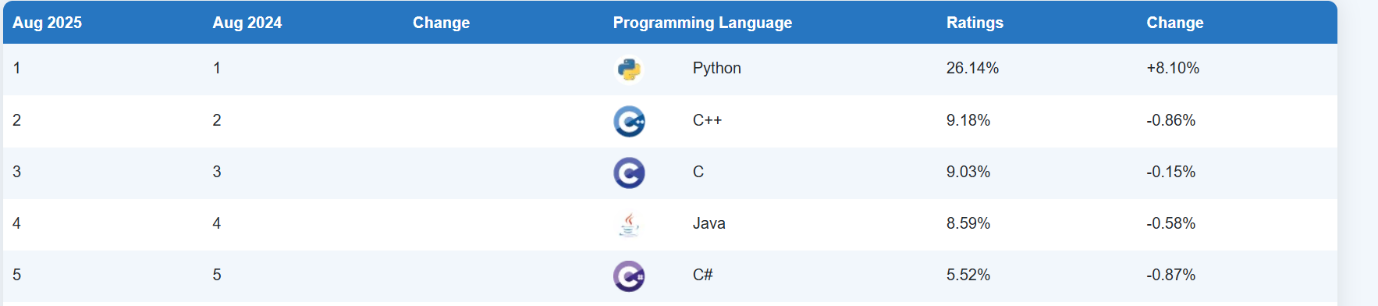
Before diving into the specifics, let’s get a bird’s-eye view of these three languages—Python, Java, and JavaScript, which together dominate global programming usage. According to the 2025 TIOBE Index and Stack Overflow Developer Survey, these three languages consistently rank in the top 5 most-used programming languages worldwide, making them essential for both aspiring and experienced developers.
Python
Python is a high-level, general-purpose programming language renowned for its simple, clean, and highly readable syntax. Created by Guido van Rossum in 1991, its design philosophy emphasizes code readability and is often described as being similar to plain English. This simplicity has made Python a favorite among beginners—over 48% of developers surveyed in 2024 chose Python as their first programming language. It dominates fields like data science, AI, and machine learning, powering tools like TensorFlow and PyTorch, as well as products from Netflix, Google, and Spotify.
Key Traits: Beginner-friendly, dynamically typed, versatile, and highly readable.
Popular Frameworks: Django, Flask, TensorFlow, Pandas, PyTorch.
Java
Java, developed by Sun Microsystems in 1995 (and now owned by Oracle), is a class-based, object-oriented language. Its core philosophy is “write once, run anywhere” (WORA), meaning that compiled Java code can run on any platform that supports a Java Virtual Machine (JVM). Java powers 95% of Fortune 500 companies’ backend systems and remains the backbone of Android app development, which accounts for over 70% of mobile devices globally. Large-scale enterprise systems like Amazon, LinkedIn, and Uber rely heavily on Java.
Key Traits: Platform-independent, statically typed, strong performance, and robust.
Paradigm: Object-oriented.
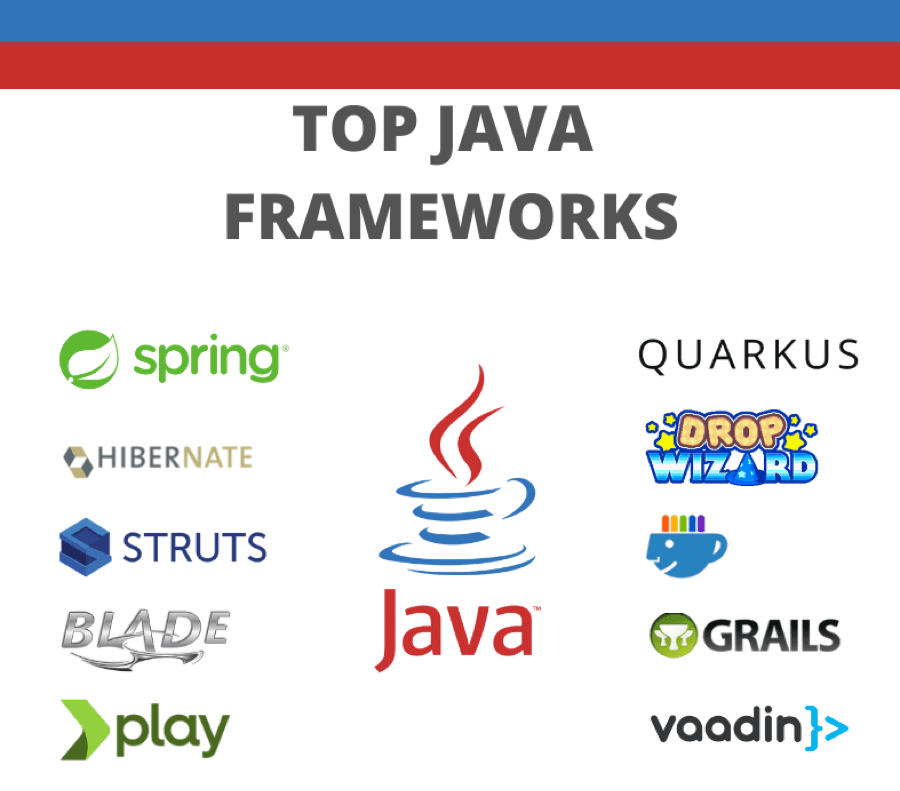
Popular Frameworks: Spring Boot, Hibernate, Apache Struts.
JavaScript
Despite the similar name, JavaScript is entirely unrelated to Java. Created by Brendan Eich in 1995, it’s the foundational language of the web. Originally used to make web pages interactive on the client side (in the browser), its reach has expanded dramatically with the advent of frameworks like Node.js, allowing it to be used for server-side and full-stack development. According to W3Techs, over 98% of websites use JavaScript in some form, and its frameworks like React and Angular are the backbone of modern web applications, from Facebook to Netflix.
Key Traits: Event-driven, interpreted, and essential for modern web development.
Paradigm: Multi-paradigm.
Popular Frameworks: React, Angular, Node.js, Vue.js.
Ease of Learning: A Beginner’s Perspective
The learning curve is arguably the most critical factor for a new programmer. A language that is easy to grasp can build confidence and momentum, while a difficult one can lead to frustration and burnout.
Python
Python is widely considered the easiest language for a beginner to learn. Its syntax is intuitive and looks similar to English, which reduces the mental overhead of learning complex grammar rules. Example: In Python, printing text is as simple as print(“Hello, World!”) — no semicolons, type declarations, or boilerplate code needed.
This simplicity is why many universities, including MIT and Harvard, use Python for their introductory computer science courses. It allows students to focus on fundamental programming concepts rather than getting bogged down by syntax.
Java
Java has a moderate learning curve for beginners. Its strict, verbose syntax and reliance on Object-Oriented Programming (OOP) principles from the start can be challenging. For example, the Java “Hello, World!” takes at least 6–7 lines of code, compared to Python’s one-liner. Concepts like classes, objects, and static typing require a solid conceptual foundation before you can even write a simple “Hello, World!” program.
JavaScript
JavaScript also has a moderate learning curve. While it’s a dynamic language, its unique quirks, asynchronous nature, and vast ecosystem of frameworks and libraries can be overwhelming for a new learner. For example, writing alert(“Hello, World!”) in a browser immediately produces output — great for instant feedback. The initial simplicity of writing a basic script can quickly escalate in complexity when moving to modern frameworks or full-stack development with Node.js.
Use Cases and Applications
The language you choose often dictates the projects you’ll work on and the industry you’ll enter.
Python
Python is the undisputed king of data science and artificial intelligence. Its rich ecosystem of libraries like NumPy, Pandas, and Scikit-learn has made it the go-to language for data analysis, machine learning, and automation. Companies like Google, Netflix, and NASA use Python extensively for everything from core services to scientific computing. It’s also a strong contender in web development with frameworks like Django and Flask. The Python Package Index (PyPI) hosts over 614,000 packages, reflecting the language’s versatility and breadth.
Java
Java’s main domain is enterprise-grade applications and Android development. If you’re building a scalable, robust, and secure backend system for a large corporation in finance or healthcare, Java is a top choice. A staggering 84% of Fortune 500 companies use Java for their primary backend systems, and 92% of Fortune 100 firms deploy Java in production
Its platform independence and maturity make it reliable for mission-critical systems. Java is the official language for Android development, making it indispensable for building native Android apps.
JavaScript
JavaScript is non-negotiable for web development. It is the only language that runs natively in web browsers, making it the core of all interactive frontend experiences. With Node.js, it has expanded to the backend, enabling developers to build full-stack applications using a single language. With Node.js, JavaScript now dominates server-side development as well, powering over 3 million websites.
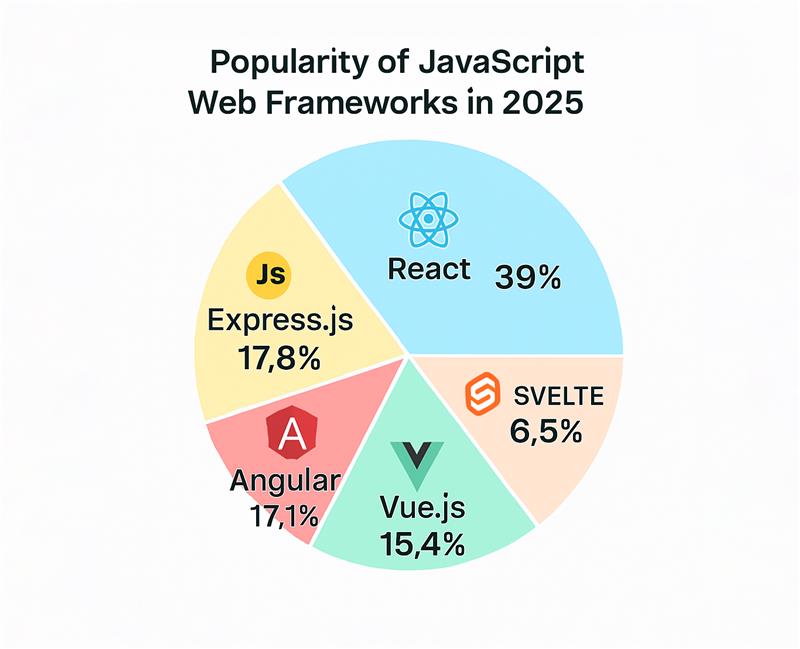
This is a massive advantage for building modern web and mobile apps with frameworks like React Native, Angular, and Vue, underpinning modern web and mobile UIs. React alone is used in over 40% of JavaScript applications
Job Market and Salary Trends (2025 Data)
The job market and salary prospects are crucial for anyone learning to code with a career in mind. Here’s a look at the latest trends:
JavaScript: Frontend Developer, Full Stack Developer, UI/UX Engineer.
According to the TIOBE Index of June 2025, Python has solidified its position as the most popular programming language in the world. However, the Stack Overflow 2024 Developer Survey reveals that JavaScript is the most used language by developers for the 11th year in a row.
This highlights the distinction between popularity (a measure of searches and community) and usage (a measure of actual daily work). Both are highly in-demand, with JavaScript having a slight edge in raw job listings due to the sheer size of the web development market.
Community Support and Learning Resources
A strong community is vital for a new programmer. It provides a network of support, a wealth of learning materials, and a vast ecosystem of libraries and tools.
Python: Python has a massive, welcoming community. Its ecosystem is rich with a vast number of libraries, especially in data science. Resources like Python.org and freeCodeCamp offer extensive learning paths for beginners.
Java: Java’s community is highly mature and well-established, with decades of enterprise use. Resources like Oracle Docs and tutorials on platforms like JavaCodeGeeks provide comprehensive, in-depth documentation.
JavaScript: JavaScript has the largest and most active open-source ecosystem, primarily through npm (Node Package Manager). The sheer volume of frameworks and libraries is a testament to its dominance in web development. Resources from MDN Web Docs and JavaScript.info are considered definitive guides for new learners.
Performance and Scalability
Performance isn’t usually a top concern for beginners, but it’s important for understanding the languages’ respective roles in the industry.
Python: As an interpreted language, Python is generally slower than its compiled counterparts. This isn’t a problem for most tasks, especially in data science, where the performance-critical parts are often handled by underlying C or Fortran libraries. However, it’s not the best choice for high-speed, low-latency applications without careful architectural planning.
Java: Java is a high-performance language, thanks to the JVM, which compiles bytecode into native machine code at runtime. Its strong multithreading support makes it exceptionally scalable and the ideal choice for large, complex, and resource-intensive enterprise applications.
JavaScript: JavaScript is surprisingly fast in the browser due to modern engines like V8 (used in Chrome and Node.js). Node.js, in particular, is highly efficient at handling a large number of concurrent connections, making it perfect for real-time applications like chat services and collaboration tools.
Which Language Should You Learn First? The Verdict
There is no single “best” language, only the best language for your specific goals. Here’s a breakdown to help you decide:
Choose Python if… you’re completely new to programming and want a beginner-friendly language with a clear, readable syntax. It’s the perfect entry point for exploring fields like data science, AI, and automation. Python’s low barrier to entry and immediate results make it an ideal choice for building your confidence.
Choose Java if… your goal is to work at a large enterprise, build native Android apps, or focus on creating robust, scalable backend systems. While the learning curve is steeper, mastering Java can lead to a stable and lucrative career path in a well-established industry.
Choose JavaScript if… you’re passionate about web development, UI/UX, or building interactive applications. It’s the only choice if you want to become a frontend developer, and with Node.js, it’s a powerful and efficient path to becoming a full-stack engineer.
Ultimately, the choice comes down to aligning your learning path with your career aspirations. The good news is that once you master one language, learning another becomes much easier. The core programming concepts you learn—like loops, functions, and data structures—are transferable across all languages.
How SynergisticIT Can Help You Master These Languages
Choosing a language is the first step, but a structured, hands-on learning environment is what can truly accelerate your career. SynergisticIT’s Job Placement Program bridges the gap between learning and a job in the real world. Our programs are designed to help you not just learn a language, but to master the entire tech stack that companies are hiring for.
Python: Focus on practical applications in data science, machine learning, and automation with tools like TensorFlow and Pandas.
Java: A deep dive into enterprise-grade development with core Java and popular frameworks like Spring Boot.
JavaScript & Full Stack: Master the modern web stack, including React and Node.js, and build full-scale projects under the guidance of expert mentors.
How SynergisticIT Sets You Up for Success
Curriculum Aligned to Career Outcomes: You’ll go beyond “toy projects” and build real-world solutions—deployable APIs, business intelligence dashboards, machine learning models, and automated pipelines—that directly match job descriptions.
Certifications That Open Doors: Our training prepares you for skills that hiring managers respect, such as Java (Oracle), AWS Solutions Architect, Spring Boot, Power BI, TensorFlow, and Kubernetes. According to LinkedIn’s 2025 Jobs Report, candidates with relevant certifications are 46% more likely to get interview callbacks.
Placement Support Until You Land a Role: We stay with you until you sign your offer, offering resume optimization, LinkedIn branding, recruiter outreach strategies, and mock interviews that mimic FAANG-level expectations.
Mentorship and 1-on-1 Support: Weekly mentoring sessions, live code reviews, and personalized interview coaching keep you moving forward, especially when challenges arise.
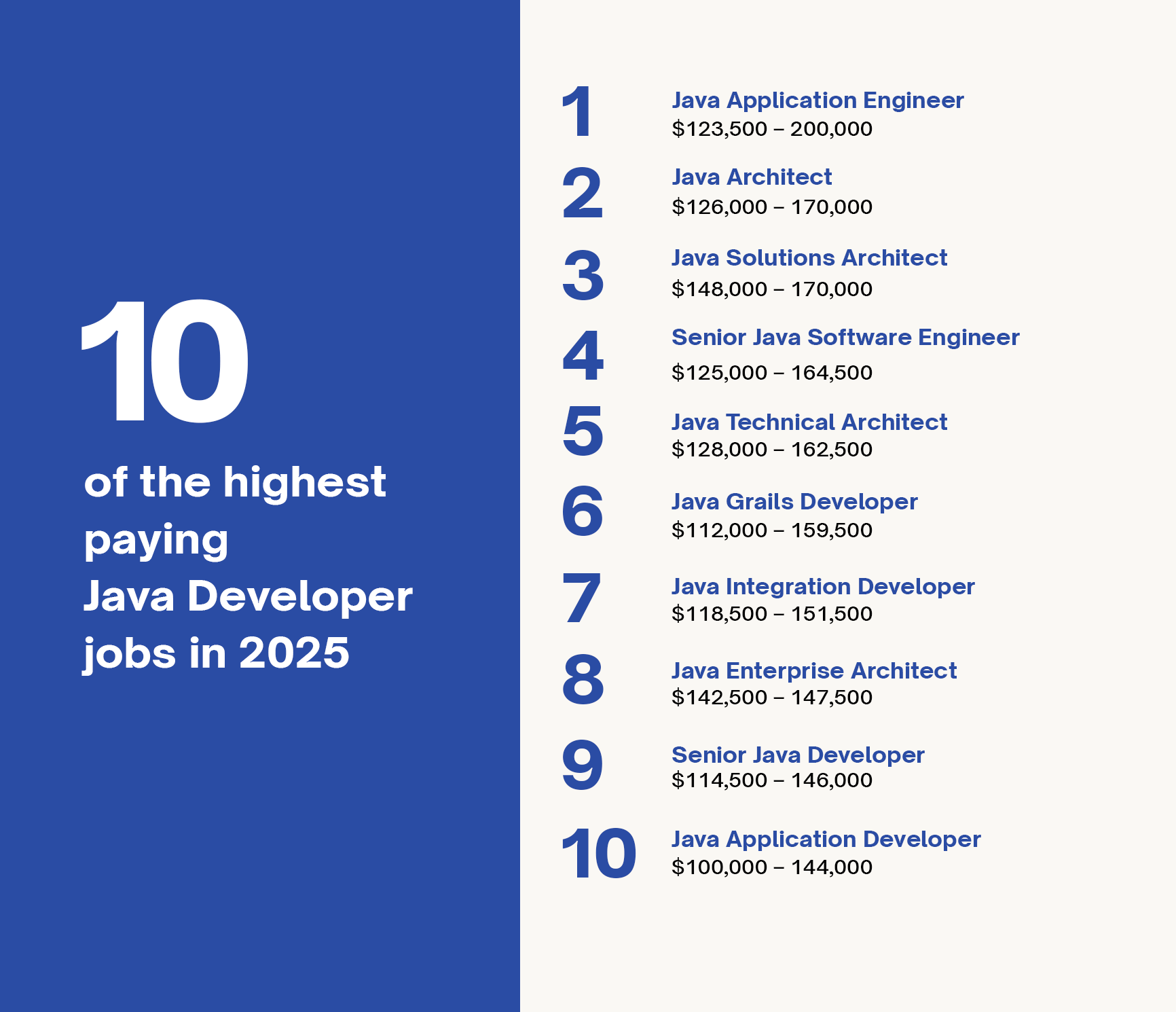
Our alumni work at companies like Amazon, Google, and Infosys, earning competitive salaries—often exceeding $120,000 for Python roles, $115,000 for JavaScript, and $125,000 for Java-based positions (Dice, 2025). The difference? A career pathway built not just for learning, but for hiring.
Final Thoughts
The debate of Python vs. Java vs. JavaScript isn’t about which one is “better,” but rather which one is “better for you.” Each language is a powerful tool with a vibrant ecosystem and strong career opportunities. Start with the one that excites you the most and aligns with your long-term goals. With dedication, practice, and the right support, any of these languages can be your ticket to a rewarding career in technology.
SynergisticIT’s Job Placement Program offers exactly that:

 This highlights the distinction between popularity (a measure of searches and community) and usage (a measure of actual daily work). Both are highly in-demand, with JavaScript having a slight edge in raw job listings due to the sheer size of the web development market.