Big Tech vs. Startup : Which one should a Jobseeker choose?
For every fresh computer science (CS) graduate, landing that first role in software development is both a dream and a crossroads. Two alluring paths typically lie ahead: joining the established realms of Big Tech firms such as Google, Amazon, Apple, and Meta, or diving into the lean, agile world of startups—sometimes on the bleeding edge of innovation and disruption.
The choice, while thrilling, is rife with trade-offs: Is it better to take the stability, prestige, and structured progression of Big Tech, or embrace the rapid growth, autonomy, and high-risk/high-reward nature of a startup? How do compensation, job security, learning and development, work-life balance, and mentorship really stack up? And in a job market transforming under the twin pressures of AI automation and economic uncertainty, how can programs like SynergisticIT’s Job Placement Program help graduates break into their desired environment?
In this comprehensive report, we will break down the Big Tech versus startup dilemma for new graduates—supported with the latest data, testimonials, expert advice, and in-depth resources including real salary figures, recent market trends, and actionable steps. We will also examine how SynergisticIT’s specialized job placement programs provide a competitive edge for fresh graduates targeting both environments.
Whether you aspire to scale with a trillion-dollar tech giant or make your mark at a well-funded rocket-ship startup, this blog post is your essential roadmap for navigating today’s evolving CS careers.
The Current Job Market for New Computer Science Graduates
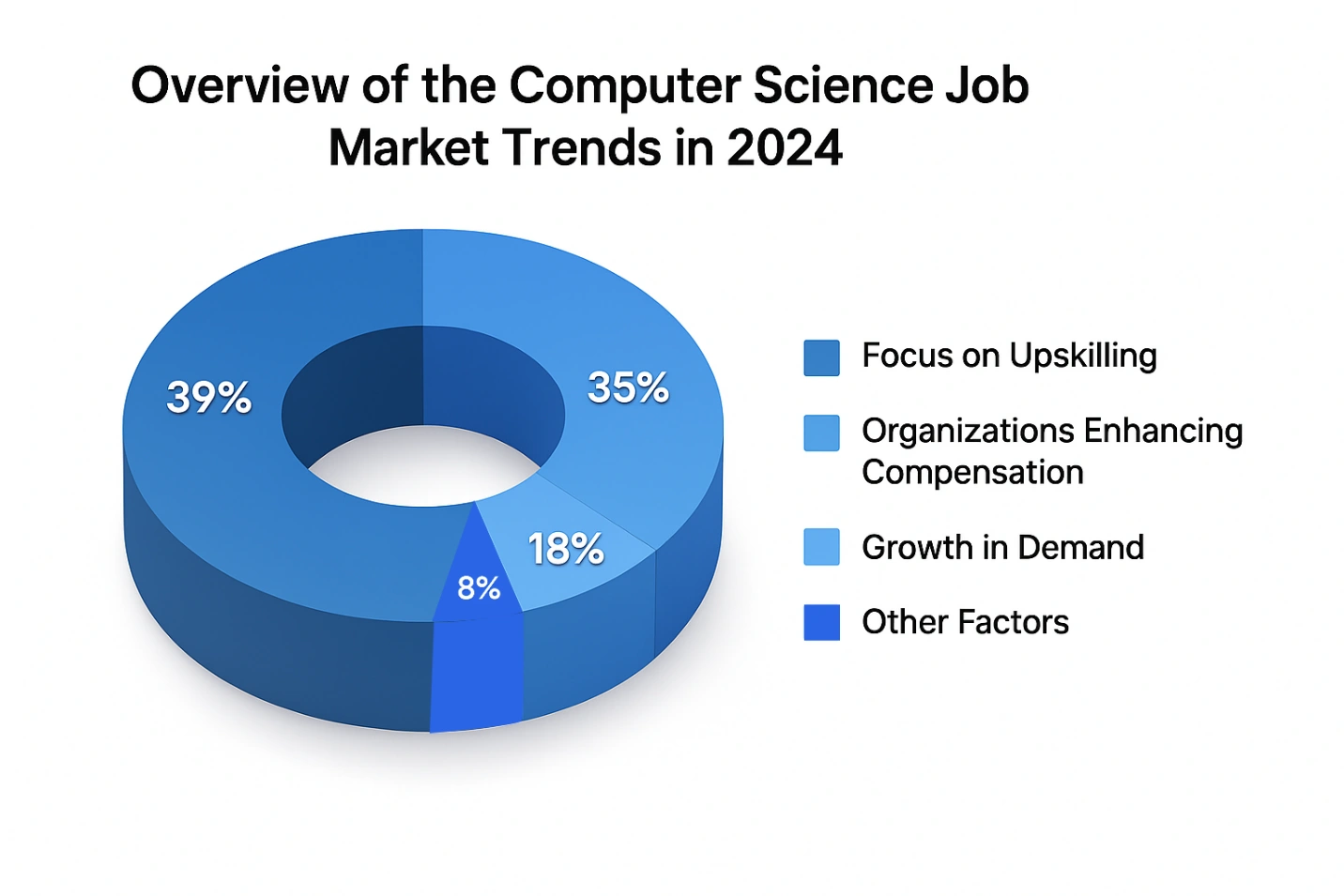
Recent years have brought both windfalls and tremors in the technology industry’s hiring landscape. On one hand, a CS or engineering degree still delivers some of the highest early-career earning potential; on the other, macroeconomic headwinds and the rapid adoption of AI (artificial intelligence) are altering demand for entry-level talent.
Unemployment and Market Uncertainty:
The unemployment rate for new computer science graduates in the U.S. climbed to 6.1% in 2025, exceeding the national average and marking a reversal from prior trends where STEM graduates enjoyed higher job security.
AI-driven automation is eliminating many traditional entry-level roles, shifting growth towards specialties like data science, machine learning, or cloud engineering while making “generalist” software development jobs more scarce.
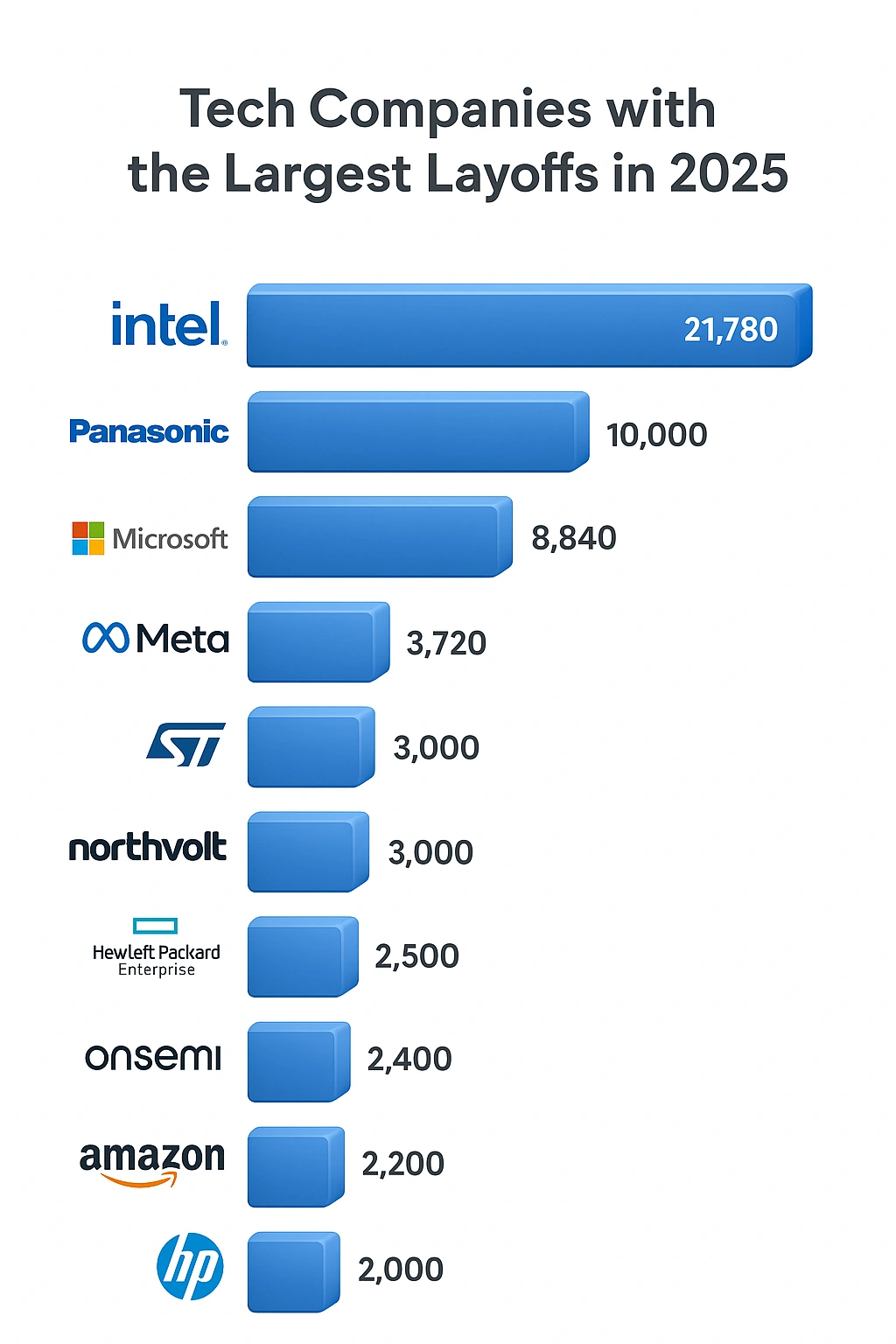
Simultaneously, layoffs have hit both Big Tech (with over 124,000 tech layoffs in 2024 alone) and the startup sector, signaling a more competitive and turbulent environment.
Long-term Opportunity Remains Robust:
Despite short-term choppiness, lifetime earning potential for computer science graduates is still among the highest of all majors—typically $1 million more over a career than a high school diploma, and $500K more than a two-year degree.
Jobs in cloud, AI/ML, data engineering, and cybersecurity remain in high demand and are less prone to automation.
Who Is Hiring?
While Big Tech and large companies have slowed hiring, startups (especially those in AI, fintech, and SaaS) continue to look for strong entry-level talent, albeit with higher expectations and increased focus on specialized skills.
Programs and bootcamps that can effectively place candidates—such as SynergisticIT—have become vital bridges for graduates seeking to land interviews at desirable firms.
Core Comparison Table: Big Tech vs. Startup Development Jobs
Stock bonuses ($20K–$100K/year); stock value usually stable but rarely explodes
Meaningful equity (~0.05–1%+), could be life-changing if startup exits, but many equities end up worthless
Job Stability
Historically high, but layoffs have increased since 2022 (6–13% of workforce cut at many major firms)
Risk of company failure (>60% fail within 5 years; ~90% long-term failure); layoffs more frequent but quick job mobility if skills are strong
Career Growth Opportunity
Structured, slower advancement; clear promotion ladders; valuable for resume “signaling”
Rapid responsibility, fast promotions/leadership possible, but advancement depends on startup’s growth, may involve role ambiguity
Learning & Development
Extensive in-house training, clear mentorship, best-in-class infrastructure; deep specialization
Fast, hands-on learning, opportunity to “wear many hats”; broad exposure but less structured, mentorship quality varies
Work-Life Balance
Generally good (40-50hrs/week), but varies by team/product/role; sometimes high pressure during “crunch” periods (especially at some Big Techs like Amazon)
Can be volatile; early-stage startups may demand longer hours (50–60hrs+), but some startups are adopting healthier norms; high impact, fast-pace culture often blurs lines
Mentorship
Formal mentorship programs, buddy systems, access to senior engineers and managers, consistent feedback
Less formal; peer learning, but direct access to CTO/founders; mentorship quality depends on team and funding stage
Long-Term Trajectory
Well-recognized for future jobs, strong internal mobility; can advance to senior, staff, or management; easier to jump to startups later
Huge upside in case of “winning” startups (wealth, C-level titles, or entrepreneurial runways); lower career stability, more lateral movement required if startup fails
*Each aspect is elaborated in the following sections with supporting data and real-world examples.
Entry-Level Compensation: Big Tech vs. Startups
Big Tech Compensation
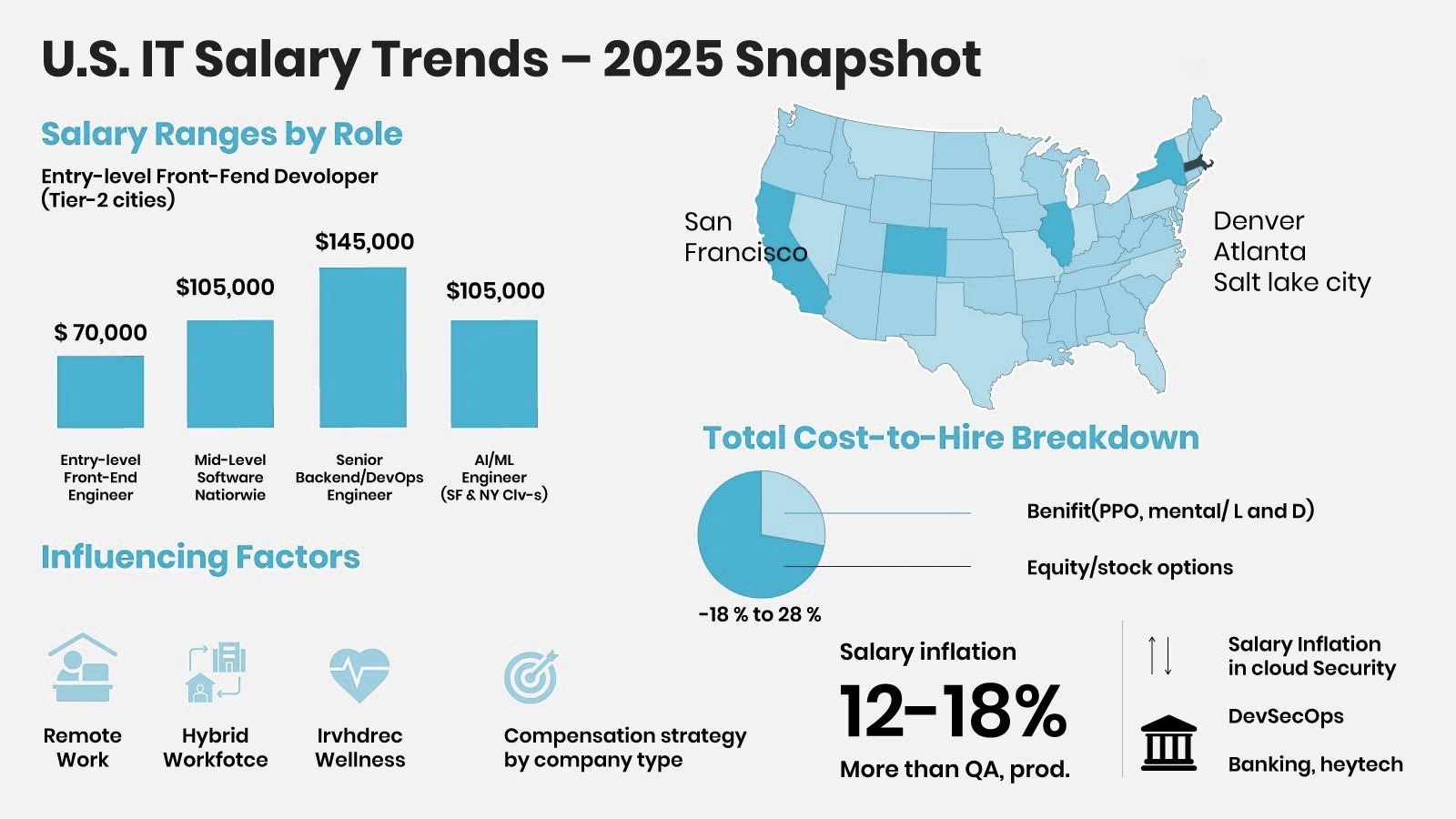
Salaries and total compensation packages in Big Tech remain near the top of the market—even after recent corrections.
Typical Offers for Entry-Level Software Engineers
US Base Salary: $120,000 – $150,000 (Amazon, Meta, Google, Apple, Microsoft)
Bonus: $10,000 – $40,000 (performance-based)
Stock Grants (RSUs/Options): $20,000 – $100,000 per year, vesting over 4 years
Total Comp (L3/L4 for Google/Amazon/Meta): $150,000 – $200,000+, with potential for increases via promotion
Example: 2024 Median Total Compensation
Meta: $165,900 – $194,000
Apple: $128,000 – $150,000
Netflix: $207,000+ (Netflix is cash-heavy, less equity)
The strength of these offers comes not just from cash, but also from the liquidity and reliability of public-company equity—not “paper money.”
Benefits: Health, dental, 401(k) matches, extensive vacation, family leave, wellness stipends. Some pay full relocation for new grads.
Startup Compensation
In the past few years, startup offers have become surprisingly close to Big Tech in terms of base salary, especially at well-funded post-series A/B startups wanting to attract great talent.
Typical Offers at Series A/B Startups:
Base Salary: $100,000 – $130,000 (with bonuses less common)
Equity: 0.05%–1% (worth $20,000 – $200,000+ at current valuation, potentially much more at IPO/acquisition)
Bonuses: Uncommon outside sales/leadership roles; significant upside tied to equity value if the startup succeeds.
Real-World Examples:
Seed/Series A startup salaries cluster $100,000 – $120,000 for entry-level, plus a 0.1–0.25% equity grant.
Some startups match Big Tech salaries, especially in competitive cities like San Francisco, NYC, Austin. However, cash offers rarely exceed Big Tech, and much of your “total comp” is in risky equity—often not liquid/valuable.
Equity is a lottery ticket: Only a small subset of startups realize massive equity gains for early employees; others may offer equity that ends up worthless due to dilution, failed exits, or lack of liquidity events.
Benefits at startups vary widely—some now offer health, dental, stock options, WFH stipends, and even 401(k). Early-stage startups may offer fewer benefits, less structure, and require employees to negotiate or self-advocate for extras.
Key Takeaways on Compensation
Big Tech wins on liquid, reliable, and proven compensation; salary is higher, and equity is less risky.
Startups can match or get close on base pay, especially later-stage, but most upside is in risky equity—the classic “high risk, high reward” story.
If short-term financial security is critical, Big Tech is usually superior; if you value long-term lottery ticket potential and can stomach the risk, a well-chosen startup can deliver enormous upside.
Job Stability and Security
Big Tech Job Stability
For many years, Big Tech was synonymous with job stability. That perception has shifted, though it remains more secure than most startups:
Layoffs in 2023–2024: Over 124,000 layoffs in the technology sector, with major firms (Dell, Intel, Cisco, Amazon, Google) cutting between 6% and 20% of their workforce. While alarming, these percentages are generally far lower than startup failure rates.
Still safer than most jobs: Even during these downturns, most workers who lost Big Tech roles found new jobs quickly (79% of laid-off FAANG employees were reemployed within three months).
Industry Cushion: Big Tech companies have deep cash reserves, diversified products, and numerous internal mobility opportunities—making them a relative “safe harbor” in turbulent times.
Not a guarantee: No job is perfectly safe. AI automation in areas like software testing, QA, and even entry-level programming is reducing the number of junior roles. But relative to startups, Big Tech remains less risky overall.
Startup Job Security
Startups are definitionally high-risk:
Failure Rates: ~10% fail in year one, ~70% in five years, 90%+ eventually fail or pivot.
Layoff cadence: Layoffs may be sudden, frequent, and often unbuffered by severance. If a startup shuts down, you’re instantly job-hunting—potentially with less brand cachet on your resume.
Job-Hopping is Normalized: However, the stigma from failed startups has lessened; it’s common (and sometimes a badge of honor) to move between multiple startups before landing a “hit” or leveling up in the ecosystem.
Summary Table: Job Security
Aspect
Big Tech
Startup
Typical Layoff Rate
6–13% in recessions
30–90% company failure; layoffs or full closures are common
Time to reemployment
Fast (esp. with FAANG name)
Fast for skilled devs, but may have to move to smaller/less ideal companies
Internal mobility
Extensive; can transfer
May be promoted quickly or suddenly out of work
Verdict: If you prioritize stability and reducing career risk, Big Tech easily wins. If you’re comfortable with chaos (or need the adrenaline), startups offer unique opportunities—but the risk is real.
Career Growth and Long-Term Trajectory
Career Progression in Big Tech
Structured Ladders: Titles like Software Engineer I/II/III, Senior, Staff, Principal, Manager, Director… Each clearly defined responsibility and promotion rubric.
Promotion Cadence: For high performers, promotions can occur every 1.5–3 years at entry to mid-level; it gets harder as you rise. Transparency and formality increase compared to startups.
Mobility: Internal transfers, rotations, and even global relocations abound; you can experience new tech, new products, and new markets.
Resume Value: Big Tech experience is highly marketable—great branding for future jobs in industry, startups, or contract work.
Career Growth at Startups
Rapid Advancement Possible: High-performers or early joiners may be promoted to tech lead, manager, or even CTO within 1–3 years if the company grows fast.
Role Fluidity: Titles are fungible and don’t always translate outside; but breadth of experience and ownership can exceed anything found in Big Tech—great “generalist” training.
Learning Velocity: Startups immerse you in the full product lifecycle, client interactions, cross-team work, and sometimes founder-level strategy.
Nonlinear Trajectory: Advancement and wealth are hitched to the company’s success/failure; multiple “failures” and job hops can make for a rocky career, though each experience builds resilience and versatility.
Long-Term Career Stories
Many founders, CTOs, and staff engineers in tech started in Big Tech before launching/joining successful startups—Big Tech provides foundational skills and a powerful network.
Some startup alumni “boomerang” into Big Tech for stability, deeper specialization, or leadership roles.
Serial entrepreneurship: Many startup engineers eventually become founders, leveraging the risk-taking and broad exposure acquired in small teams.
Verdict:
If you want stepped, predictable career development with access to high-profile projects and a strong resume, Big Tech is your best bet.
If you desire rapid (sometimes explosive) progression, broad skill development, or dream of entrepreneurship, startups are your training ground.
For many, the optimal path is hybrid: gain initial skills and credibility in Big Tech, then jump into startups or found your own company later.
Learning and Development Opportunities
Big Tech L&D
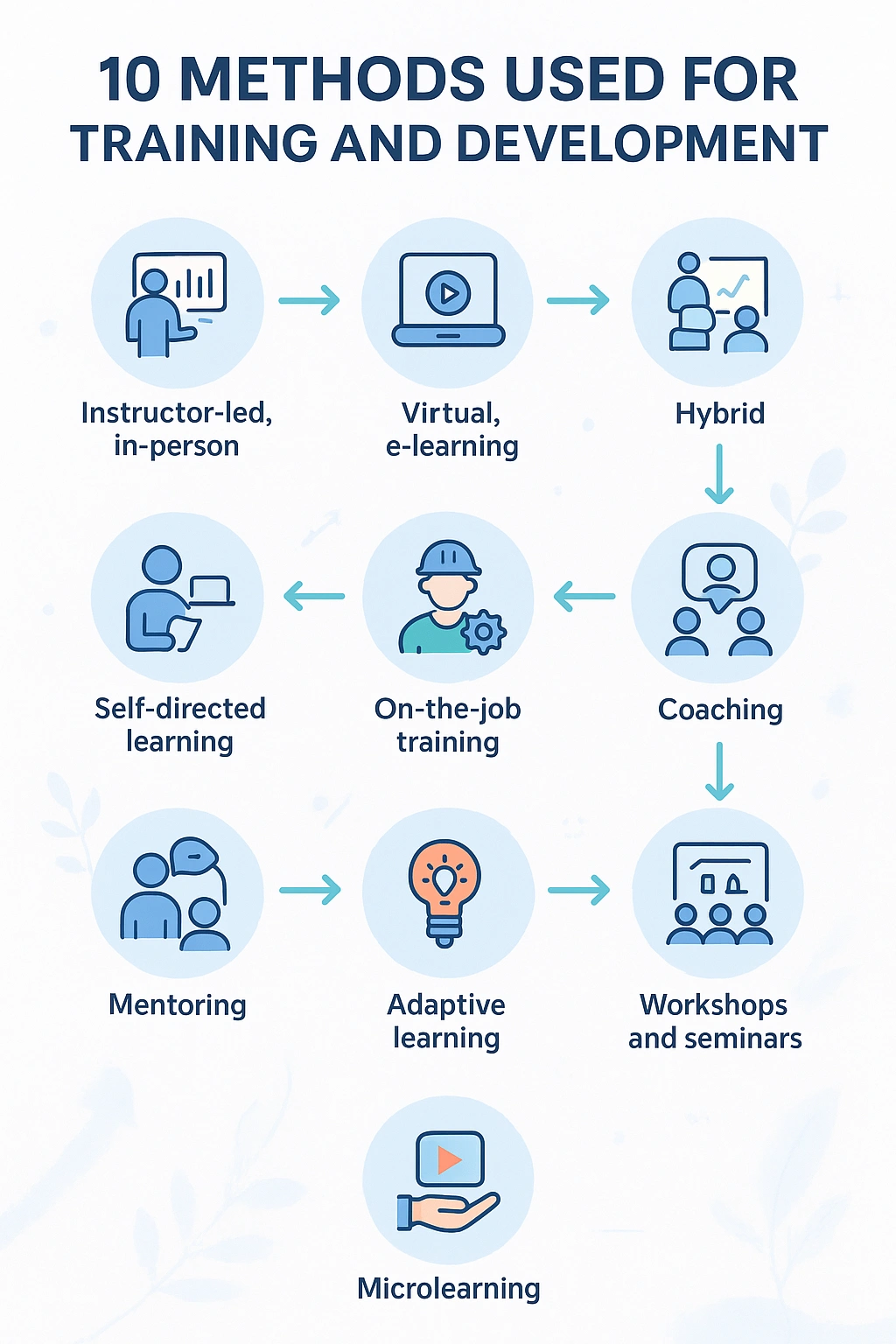
Formal Programs: In-house “universities,” courses, peer code reviews, mentorship, leadership academies, and access to the world’s smartest engineers.
World-Class Resources: Internal wikis, tools, libraries, and “bootcamp-style” training for new hires—often with paid certifications (AWS, Google Cloud, etc.).
Emphasis on Depth: Deep technical focus—specializing in areas like distributed systems, AI, security, etc.
Startup L&D
Learning by Doing: The main “training” is the work itself—writing production code, shipping features, diagnosing incidents, designing new architectures.
Breadth Over Depth: You may touch DevOps, backend, frontend, product, customer support, and even elements of design, QA, or sales.
Fast Feedback and Autonomy: Decisions are made daily; you see the business impact of your code, with real stakes.
Mentorship
Big Tech
Startups
Formal mentorship programs, buddy systems, and career coaching
Direct founder/CTO access, peer-to-peer learning, rapid feedback loops
Access to technical communities, alumni, events, and conferences
Quality varies by team; may lack structure; high mentorship if the team is strong and invested
Verdict:
Big Tech provides a polished, structured learning environment with deep technical focus, clear skills ladders, and institutional mentorship. Startups offer “trial-by-fire” growth, broader exposure, and a direct link between effort and success.
Work-Life Balance
Reality in Big Tech
Average Workweek: 40–45 hours, with notable exceptions (some teams/companies, e.g., Amazon, can be more demanding).
Flexible Work: WFH/hybrid options are now common, especially for software engineers.
Benefits: Paid time off, family leave, wellness programs, and, in some cases, policy-driven “off hours.”
Pressure Points: Crunch periods, on-call rotations, and tight deadlines can momentarily spike hours, but overall, the culture rewards sustainability.
Startup Work-Life Realities
Early-stage Startups: 50–60+ hour weeks are common, especially near product launches, fundraising events, or customer deadlines.
Remote/Flexible Models: Many new startups offer flexible/remote work, but when a startup is in “hypergrowth” or crisis, boundaries can vanish.
“Make or Break” Mentality: The pressure of a small team, finite runway, and existential stakes means intense sprints—but also autonomy to set schedules (in some cases).
Trade-off: High personal investment for high growth; burnout risk is real if not managed.
What the Data and Voices Say
Entry-level Big Tech engineers often cite a “chill” work-life balance compared to startup friends, but top teams can still be competitive.
Some startups, especially in the last two years, are striving for “sustainable pace” to retain talent; others stick to the hustle/grind ethos.
Verdict:
If work-life balance and predictable hours are critical, Big Tech is hard to beat. Startups can be exhilarating, but the highs and lows can overwhelm if not carefully managed.
Mentorship and Onboarding Dynamics
Big Tech
Onboarding: Structured orientation weeks; bootcamp-style code labs; dedicated onboarding mentors; smooth ramp-up before real projects.
Continued Support: Access to code review sessions, peer programming, documentation, and knowledge-sharing events.
Formal Mentorship: Matched mentors, especially for underrepresented groups; transparent feedback loops; alumni or affinity groups.
Startups
Onboarding: Typically much shorter. May involve immediate code pushes, exploratory projects, or live firefights. Expect to “learn by fire”.
Mentorship: Highly variable; in the best cases, close collaboration with founders or senior technical staff, direct feedback; in others, left to sink or swim.
Peer Learning: Small teams foster fast peer learning, but the quality is only as good as the existing engineering team.
Best Practice: If mentorship is extremely important to you as a new graduate, scrutinize the team you’ll join at a startup (meet your manager/CTO/team members in advance); ask about onboarding and ongoing feedback mechanisms. In Big Tech, these systems are generally already in place.
Real-World Case Studies: Voices from Both Sides
New Grad in Big Tech: The Structured Climb“I felt like I was joining a well-oiled machine—the onboarding was a month long, with every step documented. I was matched to a mentor and got to shadow a more senior dev during my first big code review. The pay was great, hours were manageable (I rarely work past 5:30 pm), and I got amazing visibility to large-scale systems. Advancement is formal: you have to demonstrate performance at the next level for at least a year to get promoted, but it’s all clear. Sometimes I wish I could touch more than just my piece, but it’s a great environment for growth and learning.”New Grad at a Startup: The Deep End“Startup onboarding was… not really a thing. My first day, I was given access to the repo, deployment keys, and a ticket labeled ‘P0: Fix the Stripe webhook.’ I freaked out, fixed it, and that won me a lot of trust. Within months, I was leading new feature launches and handling direct customer feedback. It was terrifying but exhilarating. The hours were wild at times, but I learned everything—frontend, backend, analytics, and even helped interview candidates. Pay was slightly less than my friends at Google, but my equity could blow up—if we make it. Some days I miss the structure, but I feel like I’ve grown 3 years for every one year here.”
SynergisticIT Job Placement Program: Your Bridge to Big Tech and Startups
What Sets SynergisticIT Apart?
SynergisticIT’s specialized Job Placement Program is designed to close the “skills and network gap” for recent computer science grads targeting both Big Tech and well-funded startups:
Comprehensive Training: Hands-on upskilling in high-demand technologies (Full Stack, Java, AI/ML, Cloud/AWS, Data Science), taught by experienced engineers.
Real-World Projects and Interview Prep: Work on portfolio-ready projects, mock interviews (behavioral/scenario/coding/DSA), and resume branding.
Mentorship and Support: Personalized mentorship, job readiness coaching, and one-to-one support—from resume to offer negotiation.
Industry Certifications: Free preparation for certifications from Oracle, AWS, Microsoft, and more—at no extra charge.
Direct Employer Network: Active marketing to thousands of Big Tech clients (Google, Apple, PayPal, Cisco, Amazon, Salesforce, etc.) and vetted high-growth startups.
Placement Rate and Outcomes:
91.5% placement rate; average starting salaries $81,000–$150,000 (and as high as $150K+ in select cases).
Alumni placed at top firms: Google, Apple, PayPal, Cisco, Amazon, Capital One, Wells Fargo, and many more.
Candidates receive continued job support and on-the-job training for up to a year after placement.
For Big Tech: SynergisticIT aligns its curriculum with the technical interviews and deep-dive assessments used by FAANG and other top companies. Trainees master data structures and algorithms, system design, and embedded technical skills needed to pass tough interview rounds.
For Startups: The focus on project-based, end-to-end product work equips graduates to excel in fast-moving startup teams; hands-on production deployments, cloud engineering, and modern web dev frameworks are baked into the training.
Success Story:
“Before SynergisticIT, I had a CS degree but struggled to break the interview barrier at Amazon and Facebook. After their program, I had multiple onsite interviews, landed an offer at a well-funded AI startup in SF, and after a year, received a counteroffer from a major e-commerce giant. The mock interviews and real-world project coaching made all the difference.”
Optimal Candidates
Recent CS, Engineering, Math, or related technical grads; rising seniors or new alumni.
Career switchers from adjacent disciplines wanting to gain credentials and practical project skills.
International (F1/OPT/STEM/H-1B) students seeking high-salary, full-time U.S. placements.
Conclusion: Choosing Your Path as a Fresh CS Graduate
The Big Tech versus startup dilemma is less about finding a “better” path and more about understanding your priorities, risk appetite, and what you most need at this stage of your professional journey:
Choose Big Tech if you want stability, structured learning, world-class mentorship, generous compensation, and prestige that opens future doors everywhere.
Choose Startups if you thrive on autonomy, want to make an outsized impact, seek rapid skill growth, and are willing to take the risk for potentially exponential rewards or earlier leadership roles.
Hybrid approach: Many successful engineers start in Big Tech (to gain foundational skills and branding), then transition to startups (for breadth, ownership, and upside)—or vice versa.
In 2025, a new CS graduate must be adaptive, continuously learning, and strategic about their choices. With market turbulence shaking up both Big Tech and startup worlds, partnering with a proven placement accelerator like SynergisticIT can give you the skills, confidence, and employer connections to land interviews and perform at your best in any environment. Their combination of industry-aligned curriculum, hands-on project experience, and active employer marketing bridges the gap for new grads facing the most competitive job market in years.
Your next decision will shape not just your first job—but the arc of your career. Take time to weigh your options, ask for mentorship, and seek communities (online and offline) that will support your growth. Whether you opt for the scale of Big Tech or the thrill of a rocket-ship startup, the skills you build and the network you cultivate will be your true career assets.
Ready to kickstart your career?

 The choice, while thrilling, is rife with trade-offs: Is it better to take the stability, prestige, and structured progression of Big Tech, or embrace the rapid growth, autonomy, and high-risk/high-reward nature of a startup? How do compensation, job security, learning and development, work-life balance, and mentorship really stack up? And in a job market transforming under the twin pressures of AI automation and economic uncertainty, how can programs like SynergisticIT’s Job Placement Program help graduates break into their desired environment?
In this comprehensive report, we will break down the Big Tech versus startup dilemma for new graduates—supported with the latest data, testimonials, expert advice, and in-depth resources including real salary figures, recent market trends, and actionable steps. We will also examine how SynergisticIT’s specialized job placement programs provide a competitive edge for fresh graduates targeting both environments.
Whether you aspire to scale with a trillion-dollar tech giant or make your mark at a well-funded rocket-ship startup, this blog post is your essential roadmap for navigating today’s evolving CS careers.
The choice, while thrilling, is rife with trade-offs: Is it better to take the stability, prestige, and structured progression of Big Tech, or embrace the rapid growth, autonomy, and high-risk/high-reward nature of a startup? How do compensation, job security, learning and development, work-life balance, and mentorship really stack up? And in a job market transforming under the twin pressures of AI automation and economic uncertainty, how can programs like SynergisticIT’s Job Placement Program help graduates break into their desired environment?
In this comprehensive report, we will break down the Big Tech versus startup dilemma for new graduates—supported with the latest data, testimonials, expert advice, and in-depth resources including real salary figures, recent market trends, and actionable steps. We will also examine how SynergisticIT’s specialized job placement programs provide a competitive edge for fresh graduates targeting both environments.
Whether you aspire to scale with a trillion-dollar tech giant or make your mark at a well-funded rocket-ship startup, this blog post is your essential roadmap for navigating today’s evolving CS careers.


 New Grad in Big Tech: The Structured Climb
“I felt like I was joining a well-oiled machine—the onboarding was a month long, with every step documented. I was matched to a mentor and got to shadow a more senior dev during my first big code review. The pay was great, hours were manageable (I rarely work past 5:30 pm), and I got amazing visibility to large-scale systems. Advancement is formal: you have to demonstrate performance at the next level for at least a year to get promoted, but it’s all clear. Sometimes I wish I could touch more than just my piece, but it’s a great environment for growth and learning.”
New Grad at a Startup: The Deep End
“Startup onboarding was… not really a thing. My first day, I was given access to the repo, deployment keys, and a ticket labeled ‘P0: Fix the Stripe webhook.’ I freaked out, fixed it, and that won me a lot of trust. Within months, I was leading new feature launches and handling direct customer feedback. It was terrifying but exhilarating. The hours were wild at times, but I learned everything—frontend, backend, analytics, and even helped interview candidates. Pay was slightly less than my friends at Google, but my equity could blow up—if we make it. Some days I miss the structure, but I feel like I’ve grown 3 years for every one year here.”
New Grad in Big Tech: The Structured Climb
“I felt like I was joining a well-oiled machine—the onboarding was a month long, with every step documented. I was matched to a mentor and got to shadow a more senior dev during my first big code review. The pay was great, hours were manageable (I rarely work past 5:30 pm), and I got amazing visibility to large-scale systems. Advancement is formal: you have to demonstrate performance at the next level for at least a year to get promoted, but it’s all clear. Sometimes I wish I could touch more than just my piece, but it’s a great environment for growth and learning.”
New Grad at a Startup: The Deep End
“Startup onboarding was… not really a thing. My first day, I was given access to the repo, deployment keys, and a ticket labeled ‘P0: Fix the Stripe webhook.’ I freaked out, fixed it, and that won me a lot of trust. Within months, I was leading new feature launches and handling direct customer feedback. It was terrifying but exhilarating. The hours were wild at times, but I learned everything—frontend, backend, analytics, and even helped interview candidates. Pay was slightly less than my friends at Google, but my equity could blow up—if we make it. Some days I miss the structure, but I feel like I’ve grown 3 years for every one year here.”