In the relentless, competitive job market of today, jobseekers are facing mounting pressures unlike ever before. With prolonged hiring cycles, frequent rejections, uncertainty about career fit, and a rapidly evolving workplace landscape, the process of finding a new role can take a significant mental and physical toll. It’s no surprise that recent studies reveal most jobseekers consider their current search harder than their last, and stress, anxiety, and even depressive symptoms are widespread during this period. Read on to find out the Importance of Diet and Exercise for Jobseekers.
While strategic networking, polished resumes, and interview skills have long been hailed as the pillars of job search success, a robust and often under-emphasized foundation lies beneath: maintaining optimal physical and mental health. Diet, exercise, and intentional mental health practices don’t just build resilience for the jobseeker—they are decisive factors that influence cognitive focus, emotional stability, and confidence, all of which directly impact interview performance, job application quality, and the perseverance required to persist through setbacks.
This blog is a comprehensive exploration of why investing in your personal well-being is crucial during your job search. It also highlights innovative solutions like the SynergisticIT Job Placement Program, which reduces candidate stress, enhances mental focus for interviews, and provides holistic jobseeker support. By integrating up-to-date, research-backed insights, and practical best practices—including exclusive links to SynergisticIT’s resources, event videos, and candidate blogs—this post delivers actionable advice and context for anyone who wants to elevate their job search and career outcomes.
The Hidden Costs of Job Seeking: Stress, Burnout, and Mental Health
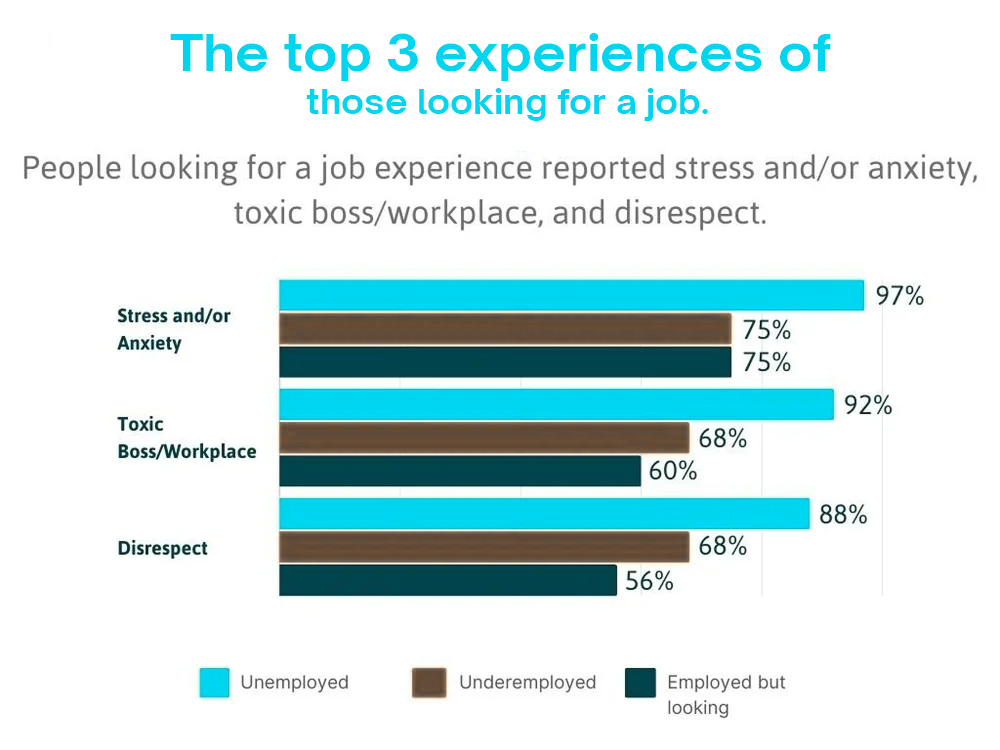
Job hunting is commonly described as a “second full-time job”—but one that comes with little structure, gnawing self-doubt, and frequent rejection. According to a 2023 Aerotek survey and Forbes reporting, more than 70% of jobseekers say they need to “exert more than an average amount of effort,” and most feel their searches are growing lengthier and more difficult. Over half cite the economy/job market as a significant obstacle, and for many, the process itself leads to increased stress, disturbed sleep, emotional volatility, and even a sense of personal failure.
Research from Psychology Today and other sources makes clear that interviewing, even when leading to positive outcomes, triggers deep psychological stress rooted in our evolutionary drive for belonging and fear of rejection. Stress begins with uncertainty—about interview formats, hiring timelines, or the fairness of selection—and is only amplified by financial worry and the logistical burden of repeated applications.
The Impact on Performance:
Cognitive impairment: Stress reduces focus, memory, and clarity—worsening interview and test performance.
Burnout: Applying to many jobs with little feedback leads to emotional exhaustion, making jobseekers less likely to tailor applications and network effectively.
Reduced confidence: Each rejection can increase self-doubt and dampen the energy needed for strong applications and interviews.
Empirical evidence underscores that jobseeker stress is not only common but can become cyclical—worsening performance and prolonging unemployment, which in turn leads to greater stress.
This reality underscores why proactive self-care isn’t a luxury but a professional imperative during the job search.
Why Diet Matters: The Evidence for Nutrition and Cognitive Performance
Modern research increasingly affirms that what you eat profoundly affects your brain’s chemistry, focus, and emotional balance. Harvard Health Publishing describes the brain as an organ that is “always on,” requiring premium fuel—meaning nutrient-dense, unprocessed foods—to support mood, memory, decision-making, and stress resilience.
The Gut-Brain Connection
The gastrointestinal tract produces approximately 95% of the body’s serotonin, the neurotransmitter central to mood regulation. A healthy gut, populated by beneficial bacteria (supported by high-fiber, probiotic, and prebiotic-rich foods), strengthens emotional stability and reduces inflammation that can drive depression and anxiety. The Wellness Society and American Society for Nutrition reinforce this, noting diets high in vegetables, fruits, whole grains, lean proteins (like fish and beans), and unsaturated fats (like olive oil and nuts) help protect against depressive symptoms, while ultra-processed foods, sugars, and unhealthy fats have the opposite effect.
Key Nutrients and Cognitive Benefits
Omega-3 Fatty Acids (found in salmon, walnuts, chia seeds): Reduce depression/anxiety, support memory and brain cell structure.
B Vitamins (in lean meats, fish, whole grains): Aid neurotransmitter synthesis, improve energy, and protect memory.
Antioxidants (berries, leafy greens): Neutralize oxidative stress, protect brain tissue, and support mental agility.
Protein: A systematic review of 23 RCTs showed that protein-rich diets (especially from nuts and legumes) improved working and declarative memory, psychomotor speed, and, in certain populations, global cognition; improved cerebral blood flow was partly responsible for these effects.
A major randomized controlled trial found that participants who received nutrition counseling and followed a Mediterranean diet—with more fruits, vegetables, fish, whole grains, and healthy fats—showed sharply greater reductions in depression symptom scales compared to controls.
Practical Implications for JobseekersSustained job search focus—especially for the extended, marathon-like searches typical today—depends on keeping your brain properly fueled. Diets high in processed, sugary, or inflammatory foods can worsen mood swings and impair the short-term memory, strategic thinking, and adaptability central to a successful job search.
Tip: Plan balanced meals/snacks ahead of time to ensure adequate nutrients during periods of peak stress, such as the days before an interview.
Tip: Incorporate foods that support gut health (e.g., yogurt, kimchi, fiber-rich fruits) for an extra boost in mood and resilience.
The Power of Exercise: Enhancing Focus, Motivation, and Stress Resilience
Exercise as a Cognitive and Psychological Booster
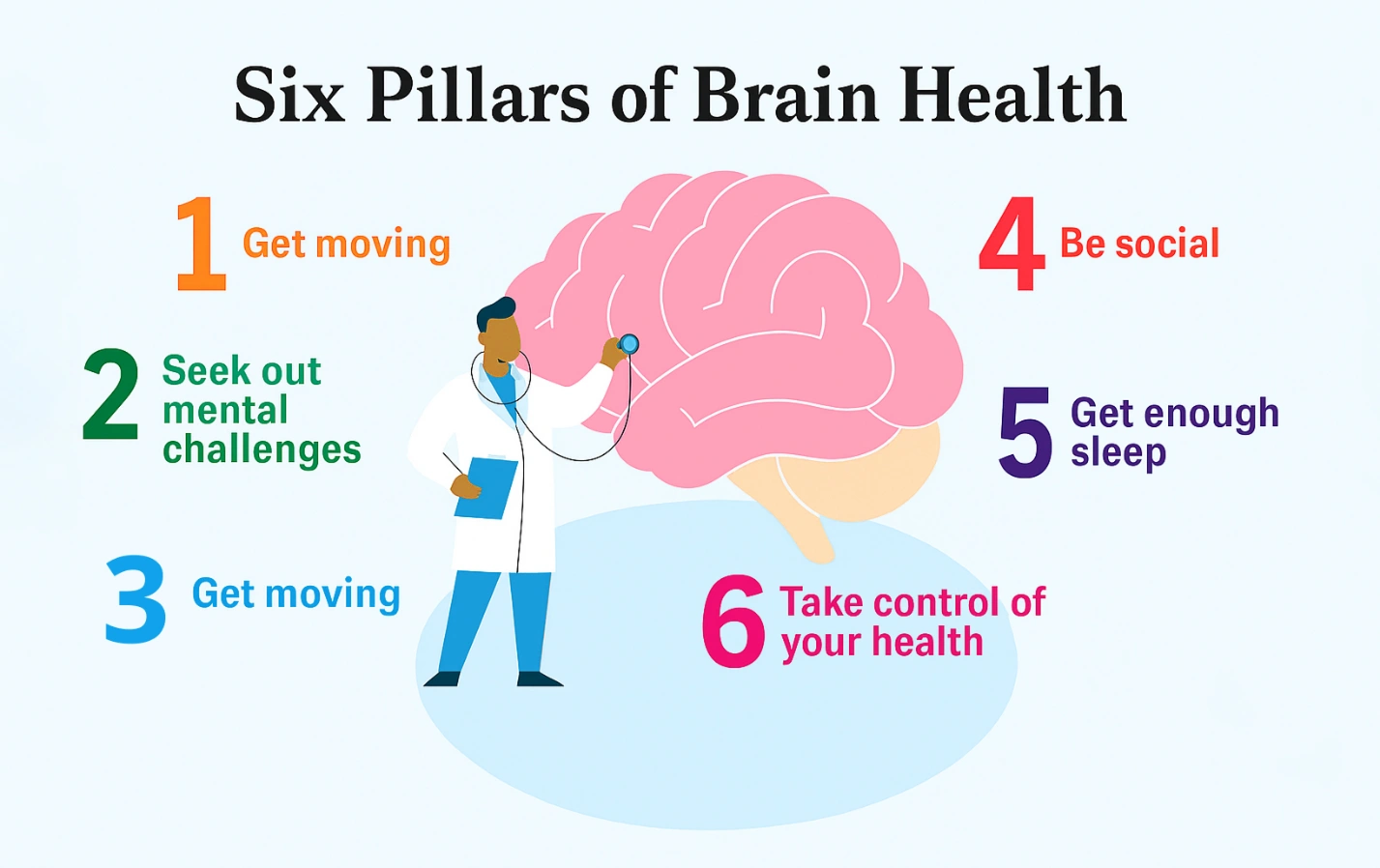
A robust body of evidence demonstrates that regular physical activity is not just a boon for the body—it is among the most effective, accessible mental health interventions jobseekers can use. Multiple medical and psychological studies, including systematic reviews and meta-analyses, confirm that even brief, consistent exercise improves attention, motivation, mood, and the executive function skills directly linked to interview and workplace success.
Biochemical Mechanisms
Physical activity releases endorphins (natural mood elevators), raises serotonin and dopamine (key neurotransmitters for motivation, calm, and reward), and lowers stress hormones such as cortisol.
Cognitive and Professional Benefits
Improved Memory and Focus: Aerobic exercise, such as brisk walking, running, or cycling, increases blood flow and promotes the growth of new brain cells—preserving memory and boosting concentration.
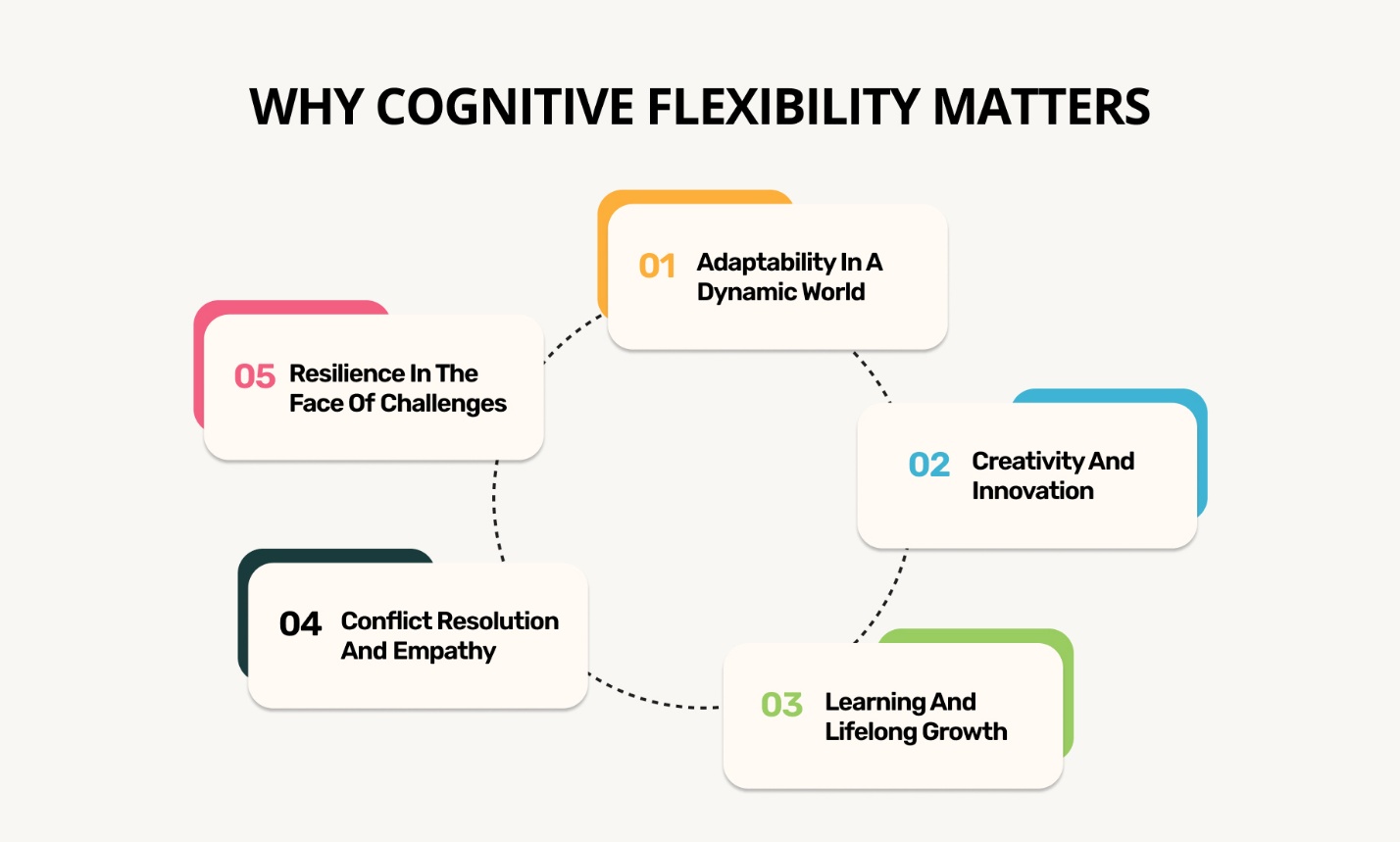
Cognitive Flexibility: Exercise strengthens neuroplasticity, the brain’s ability to learn new concepts and switch between different ways of thinking. This is critical for adapting to new information and answering challenging, unexpected interview questions.
Confidence and Resilience: Exercise, especially in group or social settings, decreases feelings of isolation, combats self-doubt, and has been shown to increase confidence and perceived agency—making jobseekers more likely to “show up” strong for interviews and networking.
Stress Buffering: The psychological gains of regular movement persist throughout the job search, providing a buffer against the emotional shocks and setbacks that are inevitable.
Evidence from Behavioral Interventions
A 2024 systematic review of nearly 28,000 adults confirmed interventions—especially those including motivational interviewing—can increase total physical activity by an average of 1,300+ steps per day and 95 additional minutes of moderate-to-vigorous exercise per week; importantly, reductions in sedentary time were linked to improved mental well-being and perseverance.
Social and Structural Benefits
Job search structure: Group fitness classes or scheduled walks offer a routine and positive peer interaction, helping jobseekers break cycles of rumination and social isolation.
Volunteering/community: Participation in outdoor or communal activities builds new skills, adds meaning, and forges supportive networks. This is especially vital for recent graduates and career changers.
Exercise Recommendations
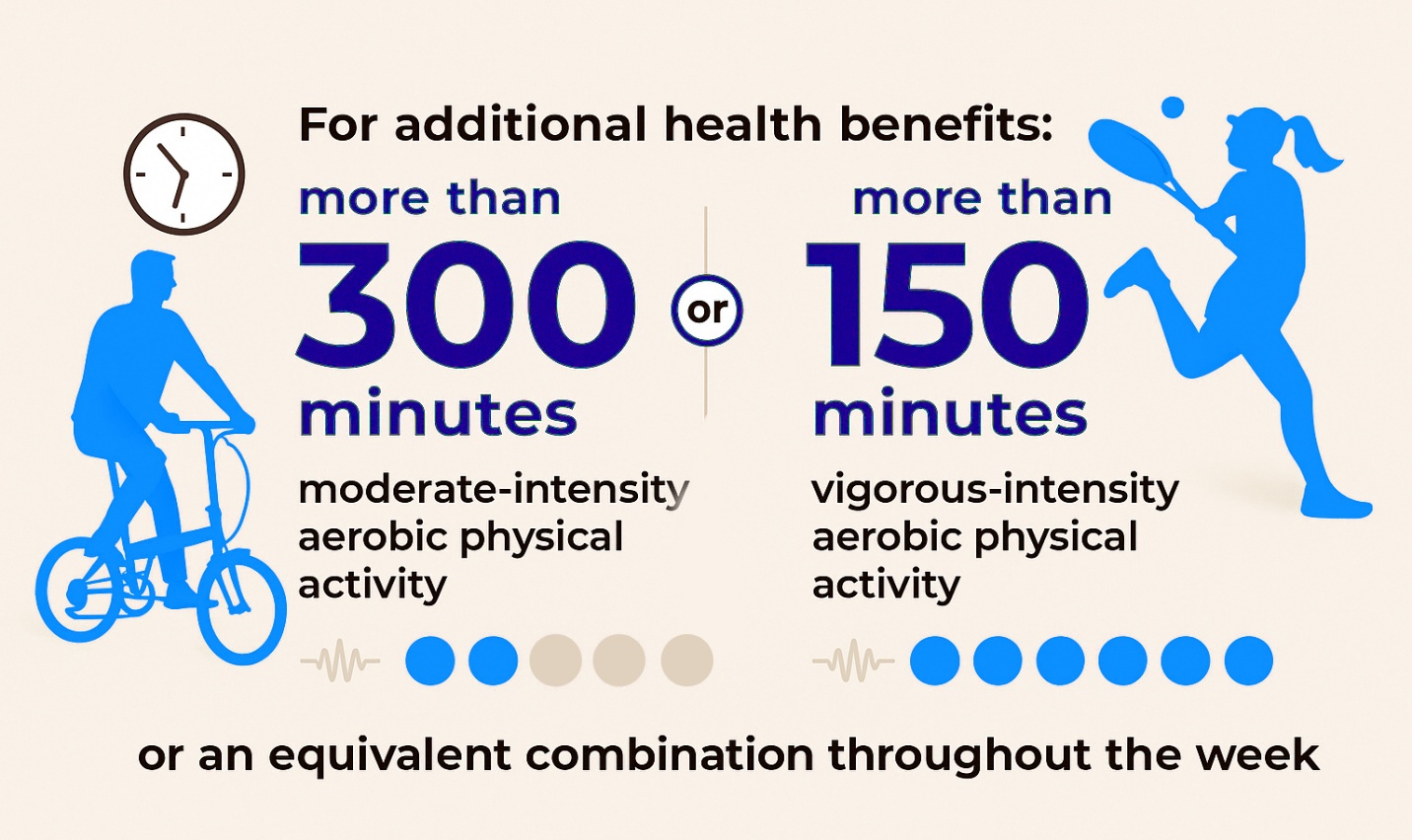
The World Health Organization and most health authorities recommend at least 150 minutes of moderate-intensity exercise a week. For jobseekers, integrating 20-30 minutes of daily walking, stretching, or light movement—even brief “exercise snacks” between job applications—can make a tangible impact.
Mental Health Strategies: Essential Habits for Stress Reduction and Performance
Understanding Stress in Jobseekers
The emotional rollercoaster of a job search can include financial anxiety, loss of routine, and feelings of inadequacy. Mental health symptoms—such as insomnia, irritability, lack of motivation, and rumination—are common, and left unchecked, these symptoms erode job search effectiveness and personal well-being.
Cognitive Flexibility, Mindfulness, and Coping Skills
Research is unanimous: cultivating intentional mental health practices not only reduces emotional distress but directly improves cognitive presence, communication, and adaptability—all vital for interviews and application quality.
Key Mental Health Best Practices for Jobseekers:
Mindfulness and Meditation
Benefit: Rewires the brain for improved focus, emotional regulation, and cognitive agility. Mindfulness exercises (such as deep breathing, “Stop-Breathe-Notice,” or guided meditations) have demonstrated effects on brain plasticity and stress hormone reduction.
How to apply: Practice before interviews to enter a calm, present state. Use brief daily sessions to reduce rumination after rejections or disappointing news.
Time Management and Boundaries
Benefit: Reduces overwhelm, combats burnout, and creates space for restorative activities(e.g., networking, skill-building, relaxation).
How to apply: Dedicate “work hours” to job applications; disconnect from email/job boards outside these blocks to prevent endless, stress-inducing digital engagement.
Sleep Hygiene
Benefit: Proper sleep (7–9 hours/night) consolidates memory, improves mood, and sharpens attention—vital for high-stakes interviews and learning new skills.
How to apply: Maintain consistent sleep/wake times; avoid excessive caffeine; prioritize relaxation before bed.
Progressive Muscle Relaxation and Visualization
Benefit: Reduces physical tension and primes the mind for success, especially before interviews. Visualization also builds confidence and psychological readiness.
Gratitude and Resilience Practices
Benefit: Reframing setbacks and celebrating micro-victories (e.g., sending an application, landing an interview) buffers against discouragement and supports motivation.
Professional Support
Benefit: Seek out therapy, coaching, or group counseling if job search stress is overwhelming. Connection with mental health professionals provides tools for coping and resilience.
Cognitive Flexibility and Interview Success
Mental agility—the capacity to switch strategies, shift perspectives, and learn from feedback—has been identified as a distinguishing trait among successful interviewees. Exercises to build flexibility (e.g., role-playing as both interviewer and candidate, solving logic puzzles, analyzing job postings from multiple viewpoints) are proven to enhance adaptability and performance in high-pressure interview scenarios.
SynergisticIT’s Job Placement Program: Reducing Jobseeker Stress and Enhancing Outcomes
The challenge of balancing technical skill-building, resume marketing, and interview practices—while also caring for one’s physical and mental health—can overwhelm even experienced professionals. This is where specialized job placement programs become invaluable, by absorbing much of the logistical and emotional burden, empowering jobseekers to focus their resources on what matters most: interview preparation and personal well-being.Overview: What Sets SynergisticIT Apart?SynergisticIT offers immersive, industry-aligned upskilling and placement programs with a proven track record—boasting a 91.5% placement rate and average graduate salaries from $81,000 to $150,000. The program combines practical, real-world tech training with robust career support, including resume preparation, personalized mentorship, and direct recruiter outreach.
Key Mental Health Benefits for Jobseekers
Resume Marketing Handled for You: SynergisticIT’s team proactively markets candidate resumes to thousands of tech companies, freeing jobseekers from the exhausting cycle of cold applications and manual follow-up.
Comprehensive Interview Preparation: Extensive practice sessions (mock interviews, scenario-based training, coding, and behavioral interviews), with a database of over 5,000 actual client questions and blunt, actionable feedback, boost applicant confidence and readiness.
Mentorship and Ongoing Support: One-on-one guidance from instructors with 10+ years of real-world experience provides emotional support, reduces cognitive load, and helps build resilience against setbacks, including after placement.
Skill Enhancement with Structure: Small, instructor-led batches and consistent, recorded live sessions create routine, lower stress, and ensure every candidate receives personal attention.
SynergisticIT Java and Data Science Programs
Java Job Placement Program: Encompasses core and advanced Java, MERN stack, AWS cloud, and DevOps, culminating in industry certifications. Placement support until hired, with average starting salaries of $90,000–$150,000. Java Program Details
Relief from the pressure of resume customization and repetitive application submission;
More time and mental bandwidth to hone their interview performance and technical skillset;
A holistic structure that supports not just professional skills, but also personal growth and well-being.
Independent Accounts and Outcomes
Graduate reviews confirm that SynergisticIT’s focus on individual mentorship, depth of coverage, real-world preparation, and continual career support translate into greater employment success, higher confidence, and reduced anxiety during the job search journey.
SynergisticIT in the Media: Public Validation and Resource Highlights
USA Today Publication Coverage
The USA Today profile underscores how SynergisticIT bridges the gap between jobseekers and tech employers by drawing from local, upskilled talent—demonstrating the scalability and impact of its candidate-centered model for both companies and new hires.
Event Videos and Industry Engagement
SynergisticIT is a regular participant and sponsor at major tech industry events, ensuring its candidates are prepared with the latest market-relevant skills and increasing their employment visibility. Examples:
Best Practices for Resume Marketing, Interview Prep, and Outreach—The SynergisticIT Way
Resume Marketing
ATS-optimized resumes are crafted and distributed through SynergisticIT’s vast employer network, ensuring candidates bypass the “resume black hole” and are matched to positions for their specific profile.
Personal branding guidance helps jobseekers clarify and communicate their unique value, improving recruiter engagement and self-confidence.
Interview Preparation
Mock interviews cover technical, behavioral, and scenario-based situations, mirroring the actual client processes and demystifying what to expect on interview day.
Access to insider interview questions and tips enables targeted practice, increasing comfort with complex problem-solving tasks.
Soft skills development: Emphasis on communication, confidence, and personality cultivation addresses commonly cited jobseeker weaknesses.
Job Search Outreach
Strategic outreach: Resume marketing and recruiter connection management are centralized, so jobseekers can focus on upskilling and interview prep rather than repetitive, demoralizing cold outreach.
Continuous job support: Alumni receive on-the-job, real-world support for a year post-placement, reducing relocation, onboarding, and project-specific anxiety.
Benefits of Diet, Exercise, and Mental Health Practices for Jobseekers
Practice
Cognitive Benefit
Emotional Benefit
Job Search Advantage
Nutrition
Supports brain cell structure, memory
Stabilizes mood
Sustained focus during applications
Physical Exercise
Improves cognitive flexibility, blood flow
Reduces anxiety, boosts confidence
Enhanced performance in interviews, stamina for marathon job searches
Mindfulness
Enhances clarity, emotional control
Reduces stress
Better resilience and calm under pressure
Sleep
Consolidates memory, sharpens attention
Restores emotional balance
Improved problem-solving and recall in high-stress moments
Stress Management
Protects cognitive resources
Maintains emotional stability
Prevents burnout, increases persistence
Gratitude Practice
Increases focus and resilience through positivity
Reduces anxiety
Maintains motivation, propels follow-through
Professional Mentorship
Provides strategic feedback and reassurance
Reduces isolation and self-doubt
Faster skill acquisition, higher confidence
Delegating Applications
Reduces administrative overload
Preserves energy
More time for networking and skill advancement
The synergy of these practices has an amplifying effect. Jobseekers supported in physical health, diet, and mental well-being display markedly greater resilience, perseverance, and success during extensive or competitive job searches.
Practical, Actionable Tips: A Daily Self-Care Plan for Jobseekers
Morning
Hydrate and eat a balanced breakfast (e.g., oatmeal with nuts, or eggs with leafy greens).
Brief mindfulness meditation or deep breathing drill.
Midday
Schedule job search tasks into focused sprints of 60–90 minutes.
Break for a brisk walk or at-home cardio session to recharge.
Afternoon/Evening
Prepare applications, then step away from screens—avoid endless email checking.
Nutritious snack (e.g., berries, yogurt).
Light stretching or resistance exercise.
Celebrate a small victory (finished an application? Practiced a technical skill?).
Pre-Interview
Practice gratitude and visualize positive outcomes.
Join a group workout or a virtual study/support session.
Utilize SynergisticIT’s candidate blog or connect with peers for support and accountability.
Conclusion: Elevate Your Job Search Outcomes Through Self-Care and Structured Support
In an era where the average job search can stretch over six months and rejection is routine, the jobseeker who prioritizes their physical and mental well-being is best equipped to endure, adapt, and triumph. Diet, exercise, and intentional mental health practices are not distractions from your job hunt—they are essential performance multipliers, shielding you from stress, sharpening focus, and boosting the very qualities employers value: resilience, creativity, and composure under pressure.
Partnering with synergistic, results-driven programs like SynergisticIT’s Job Placement Program lets you unlock these benefits even further, by offloading administrative burdens and maximizing your readiness for the next career leap. Their tailored resume marketing, targeted skill-building, and empathetic mentorship create the structure and support needed for you to focus on what matters—becoming your best self and landing not just any job, but the right job.
Essential Resources and Links:
Whether you are updating your resume, prepping for technical interviews, or contemplating your next career pivot, commit to your own health first. Success is built from the inside out.Further Reading and Support

 Research from Psychology Today and other sources makes clear that interviewing, even when leading to positive outcomes, triggers deep psychological stress rooted in our evolutionary drive for belonging and fear of rejection. Stress begins with uncertainty—about interview formats, hiring timelines, or the fairness of selection—and is only amplified by financial worry and the logistical burden of repeated applications.
The Impact on Performance:
Research from Psychology Today and other sources makes clear that interviewing, even when leading to positive outcomes, triggers deep psychological stress rooted in our evolutionary drive for belonging and fear of rejection. Stress begins with uncertainty—about interview formats, hiring timelines, or the fairness of selection—and is only amplified by financial worry and the logistical burden of repeated applications.
The Impact on Performance:
 The Gut-Brain Connection
The gastrointestinal tract produces approximately 95% of the body’s serotonin, the neurotransmitter central to mood regulation. A healthy gut, populated by beneficial bacteria (supported by high-fiber, probiotic, and prebiotic-rich foods), strengthens emotional stability and reduces inflammation that can drive depression and anxiety. The Wellness Society and American Society for Nutrition reinforce this, noting diets high in vegetables, fruits, whole grains, lean proteins (like fish and beans), and unsaturated fats (like olive oil and nuts) help protect against depressive symptoms, while ultra-processed foods, sugars, and unhealthy fats have the opposite effect.
Key Nutrients and Cognitive Benefits
The Gut-Brain Connection
The gastrointestinal tract produces approximately 95% of the body’s serotonin, the neurotransmitter central to mood regulation. A healthy gut, populated by beneficial bacteria (supported by high-fiber, probiotic, and prebiotic-rich foods), strengthens emotional stability and reduces inflammation that can drive depression and anxiety. The Wellness Society and American Society for Nutrition reinforce this, noting diets high in vegetables, fruits, whole grains, lean proteins (like fish and beans), and unsaturated fats (like olive oil and nuts) help protect against depressive symptoms, while ultra-processed foods, sugars, and unhealthy fats have the opposite effect.
Key Nutrients and Cognitive Benefits
 Cognitive and Professional Benefits
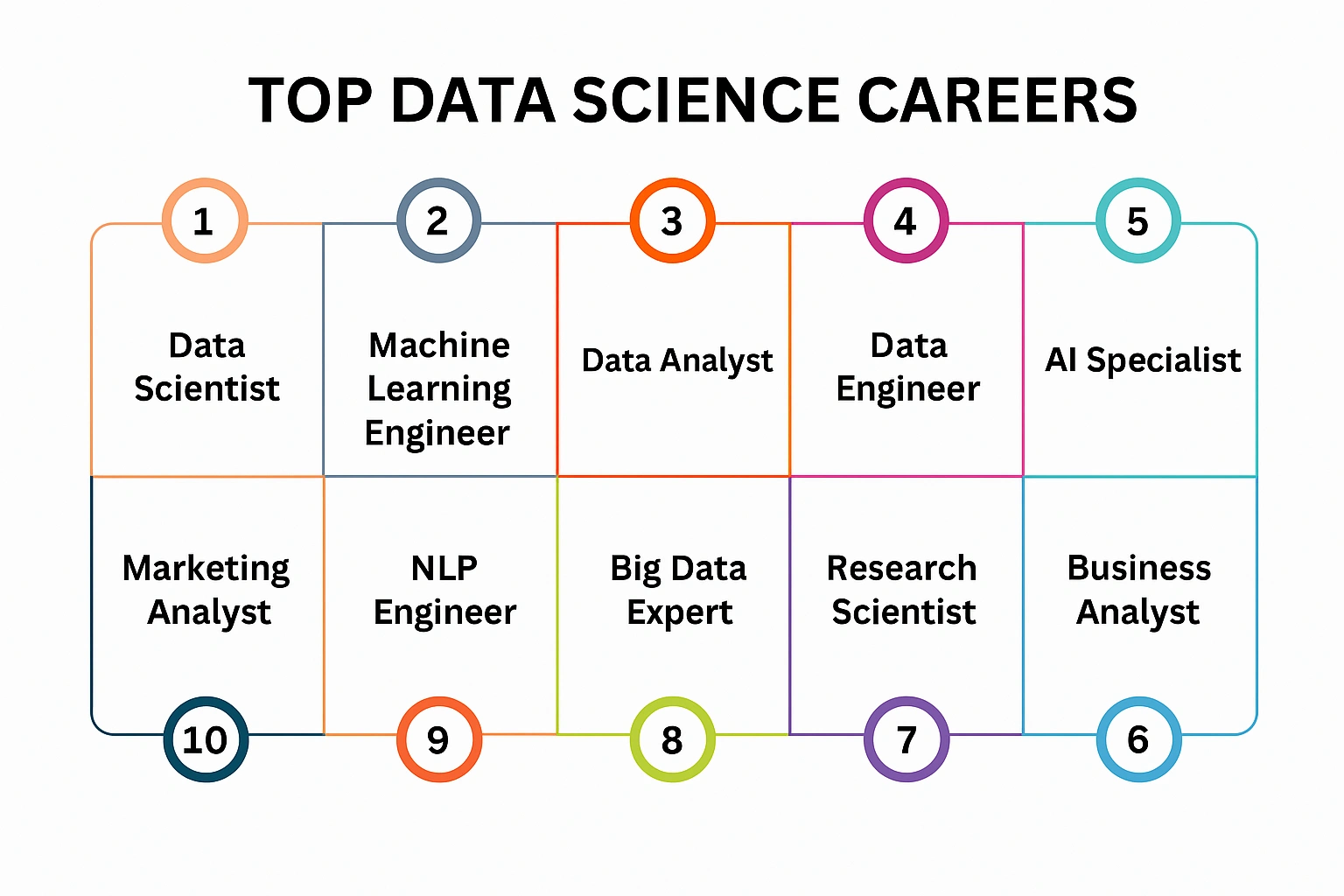 What jobseekers gain:
 USA Today Publication Coverage
The USA Today profile underscores how SynergisticIT bridges the gap between jobseekers and tech employers by drawing from local, upskilled talent—demonstrating the scalability and impact of its candidate-centered model for both companies and new hires.
Event Videos and Industry Engagement
SynergisticIT is a regular participant and sponsor at major tech industry events, ensuring its candidates are prepared with the latest market-relevant skills and increasing their employment visibility. Examples:
USA Today Publication Coverage
The USA Today profile underscores how SynergisticIT bridges the gap between jobseekers and tech employers by drawing from local, upskilled talent—demonstrating the scalability and impact of its candidate-centered model for both companies and new hires.
Event Videos and Industry Engagement
SynergisticIT is a regular participant and sponsor at major tech industry events, ensuring its candidates are prepared with the latest market-relevant skills and increasing their employment visibility. Examples:
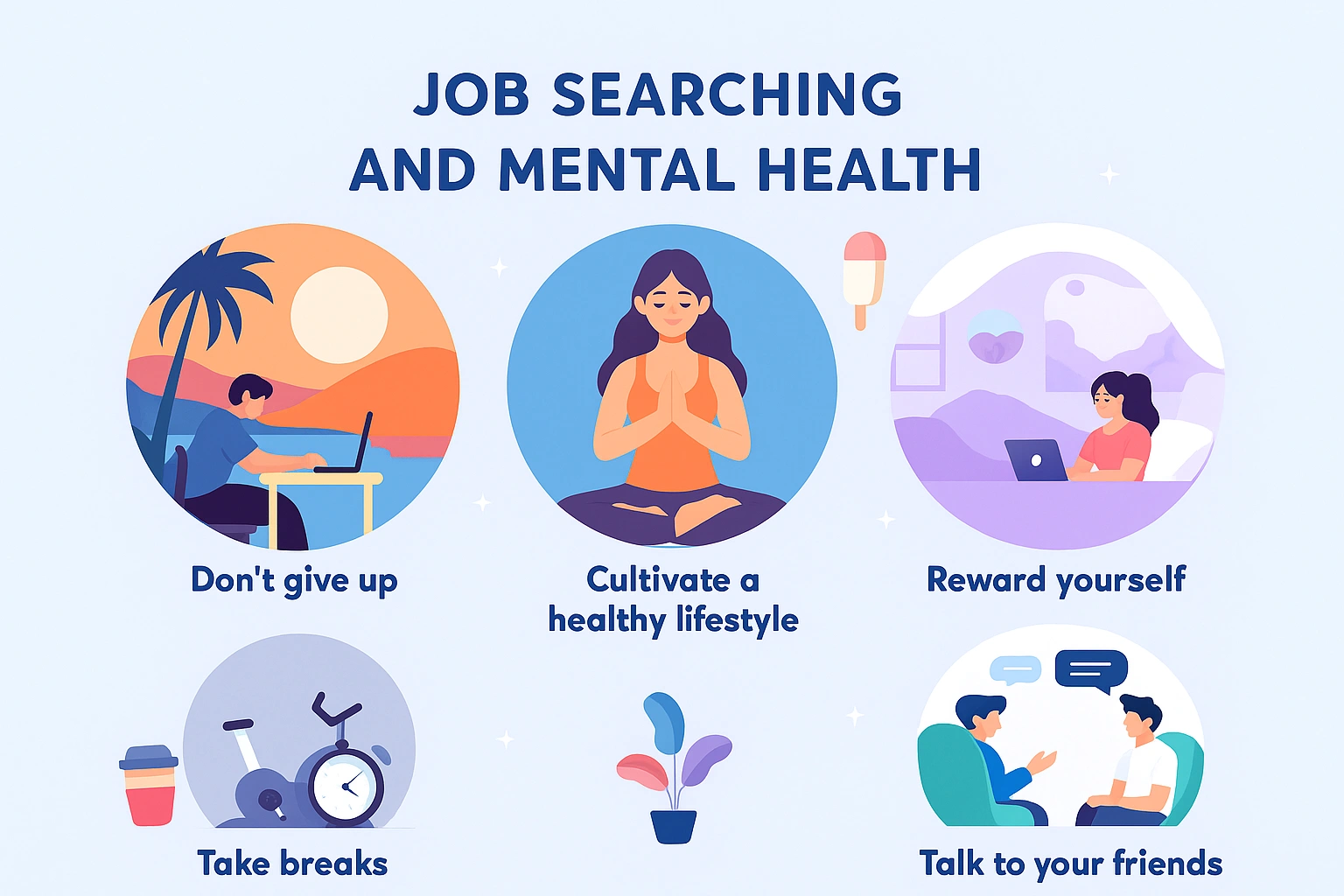 Morning
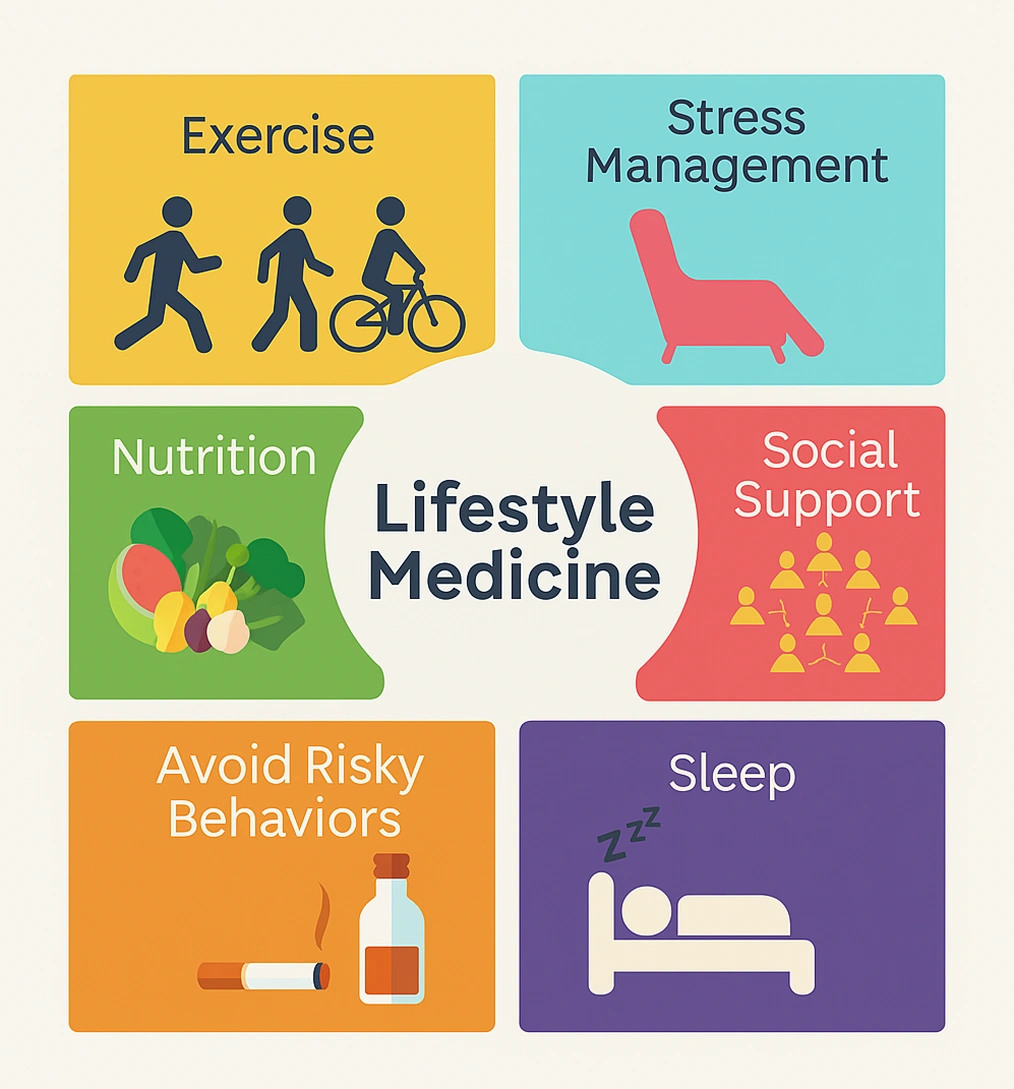 Partnering with synergistic, results-driven programs like SynergisticIT’s Job Placement Program lets you unlock these benefits even further, by offloading administrative burdens and maximizing your readiness for the next career leap. Their tailored resume marketing, targeted skill-building, and empathetic mentorship create the structure and support needed for you to focus on what matters—becoming your best self and landing not just any job, but the right job.
Essential Resources and Links:
Whether you are updating your resume, prepping for technical interviews, or contemplating your next career pivot, commit to your own health first. Success is built from the inside out.
Further Reading and Support
With intention, routine, and the right support, your next opportunity is not only within reach—it can be genuinely transformative.
Partnering with synergistic, results-driven programs like SynergisticIT’s Job Placement Program lets you unlock these benefits even further, by offloading administrative burdens and maximizing your readiness for the next career leap. Their tailored resume marketing, targeted skill-building, and empathetic mentorship create the structure and support needed for you to focus on what matters—becoming your best self and landing not just any job, but the right job.
Essential Resources and Links:
Whether you are updating your resume, prepping for technical interviews, or contemplating your next career pivot, commit to your own health first. Success is built from the inside out.
Further Reading and Support
With intention, routine, and the right support, your next opportunity is not only within reach—it can be genuinely transformative.