What to Expect in a Behavioral Interview for CS Roles?
When preparing for a computer science (CS) job interview, most candidates focus heavily on technical skills—algorithms, data structures, system design, and coding challenges. But there’s another equally critical component that can make or break your chances: thebehavioral interview. Read on to find out What to Expect in a Behavioral Interview?
Behavioral interviews are designed to assess how you think, communicate, collaborate, and respond to challenges. They reveal your soft skills, work ethic, and culture fit—qualities that matter just as much as your ability to write clean code.
In this guide, we’ll explore:
What behavioral interviews are and why they matter
Common behavioral questions asked by top tech companies
10 real-world examples from Google, Amazon, Meta, and others
How SynergisticIT’s job placement program prepares candidates to ace these interviews and thrive on the job.
What Is a Behavioral Interview?
A behavioral interview focuses on how you’ve handled situations in the past, under the assumption that past behavior predicts future performance. You’ll be asked to describe specific experiences that demonstrate your ability to:
Work in teams
Resolve conflicts
Communicate effectively
Adapt to change
Lead projects
Handle pressure
These interviews often begin with prompts like:
“Tell me about a time when…”
“Describe a situation where…”
“Give an example of…”
Your goal is to respond using the STAR method:
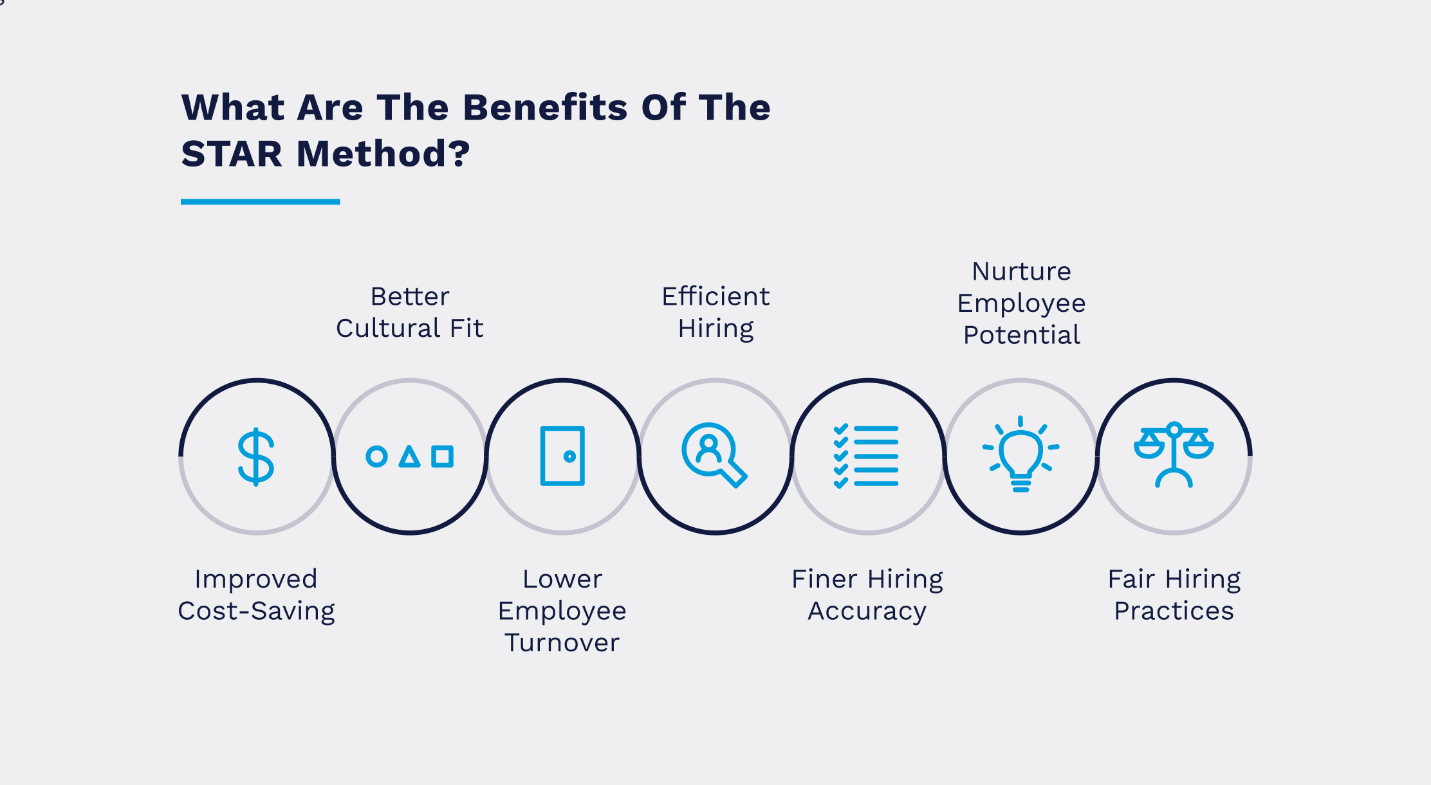
The STAR (Situation-Task-Action-Result) method is a proven way to answer behavioral interview questions and questions that need storytelling. It shows that you have the skills needed to succeed in the role by sharing a real example of how you applied those skills in the past.
Situation: Set the context
Task: Explain your responsibility
Action: Describe what you did
Result: Share the outcome
Why Behavioral Interviews Matter in CS Roles
Even in highly technical roles, behavioral interviews are essential because:
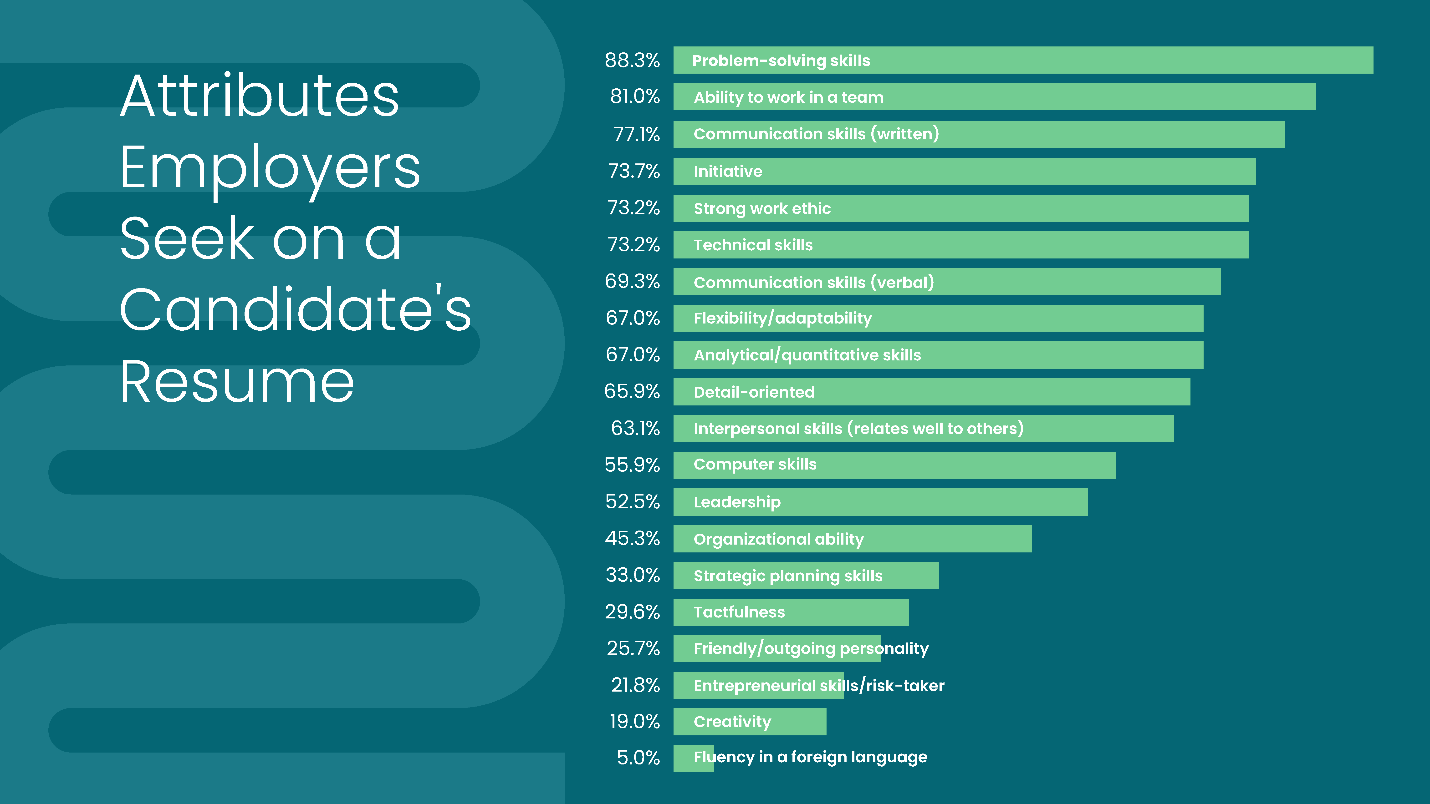
Tech is collaborative: You’re not working in a vacuum. You’ll work with designers, PMs, QA testers, and other engineers
Communication is key: You’ll need to explain complex ideas to non-technical stakeholders. A 2022 LinkedIn Global Talent Report found that 89% of recruiters say “when a hire doesn’t work out, it usually comes down to a lack of soft skills.”
Adaptability is crucial: Requirements change, bugs emerge, deadlines shift. A Stack Overflow Developer Survey revealed that over 60% of developers say they’ve had to pivot project direction midway through development due to evolving requirements.
Culture fit matters: Companies want team players who align with their values
In fact, many hiring managers say that soft skills are harder to teach than technical ones, so they prioritize candidates who demonstrate emotional intelligence, resilience, and a growth mindset.
Behavioral Interview Do’s and Don’ts
Do’s (Best Practices)
Don’ts (Common Mistakes)
Use the STAR method to structure your answers
Ramble or go off-topic without a clear point
Prepare stories ahead of time for key competencies
Try to “wing it” without any examples
Focus on your actions and impact
Talk only about team effort without highlighting your role
Be honest—even if the outcome wasn’t perfect
Make up stories or exaggerate your role
Practice speaking aloud to stay clear and concise
Memorize answers word-for-word (sounding robotic)
Highlight soft skills like teamwork and leadership
Focus only on technical details
Tailor your examples to the job description
Give irrelevant or outdated examples
Stay calm and professional, even under pressure
React emotionally or blame others
Reflect on what you learned or improved
Skip the “Result” or learning aspect of the story
Ask for feedback or clarification if needed
Interrupt or rush the interviewer
10 Behavioral Interview Questions from Top Tech Companies
Here are 10 real examples of behavioral questions asked at companies like Google, Amazon, Meta, and Microsoft—along with sample responses and what interviewers are really looking for:
1.GoogleQuestion: “Tell me about a time you had to explain a complex technical concept to someone without a technical background.”
What They’re Testing: Communication and empathy
Sample Response:
“While working on a backend service, our product manager didn’t understand why latency was increasing. I used a restaurant analogy to explain how our server was handling too many requests at once—like a kitchen overwhelmed with orders. I then showed how adding caching was like prepping ingredients in advance. This helped the PM grasp the issue and prioritize the fix.”
2.AmazonQuestion: “Describe a time you disagreed with a team member. How did you resolve it?”
What They’re Testing: Conflict resolution and leadership
Sample Response:
“During a sprint, a teammate wanted to use a new library that I felt was unstable. I gathered performance benchmarks and proposed a compromise: we’d test it in a sandbox environment first. After reviewing the results together, we agreed to stick with our existing solution. This preserved team harmony and avoided unnecessary risk.”
3.MetaQuestion: “Tell me about a time you had to debug a major issue under pressure.”
What They’re Testing: Problem-solving under stress
Sample Response:
“Our production system crashed hours before a product launch. I led the investigation, analyzed logs, and discovered a memory leak. I worked with DevOps to deploy a hotfix and restored the system within an hour. We later implemented a permanent solution and added monitoring to prevent recurrence.”
4.MicrosoftQuestion: “Describe a situation where you had to make a decision with limited information.”
What They’re Testing: Judgment and decision-making
Sample Response:
“While building a feature, we lacked user data to guide design. I created two prototypes based on similar use cases and ran internal usability tests. We chose the better-performing version and later validated it with real users. The feature was well-received and boosted engagement.”
5.NetflixQuestion: “Tell me about a time you received critical feedback. How did you respond?”
What They’re Testing: Coachability and growth mindset
Sample Response:
“During a code review, a senior engineer pointed out that my implementation lacked scalability. I thanked them, rewrote the logic using a more efficient algorithm, and asked for a follow-up review. Their feedback helped me improve my approach and build a stronger relationship.”
6.AirbnbQuestion: “Describe a time when you had to work with a difficult stakeholder.”
What They’re Testing: Diplomacy and stakeholder management
Sample Response:
“A product manager kept changing requirements mid-sprint. I scheduled a meeting to clarify priorities and proposed a shared document to track changes. This improved transparency and reduced scope creep, allowing us to deliver on time.”
7.StripeQuestion: “Tell me about a time you took initiative to improve a process.”
What They’re Testing: Proactivity and innovation
Sample Response:
“Our code review process was slow and inconsistent. I proposed a checklist and automated linting tools. After adoption, review time dropped by 40%, and code quality improved.”
8.DropboxQuestion: “How do you handle multiple projects with competing deadlines?”
What They’re Testing: Time management and prioritization
Sample Response:
“I was overseeing two major projects with overlapping deadlines. I broke each into smaller tasks, set milestones, and used calendar blocks for focused work. I also communicated proactively with stakeholders to manage expectations. Both projects were delivered on time.”
9.IBMQuestion: “Tell me about a time you had to learn a new technology quickly.”
What They’re Testing: Adaptability and learning agility
Sample Response:
“Our team needed to adopt React for an upcoming project. I took online courses, built small apps, and shared my learnings with teammates. Within two weeks, I was contributing production-ready components.”
10.VisaQuestion: “Describe a time when you had to work remotely or in a distributed team.”
What They’re Testing: Remote collaboration and accountability
Sample Response:
“I collaborated with teams across three time zones. I used Slack and Zoom for communication, documented decisions in Confluence, and scheduled regular check-ins. This kept everyone aligned and ensured timely delivery.”
How SynergisticIT Helps You Ace Behavioral Interviews
SynergisticIT’s job placement program goes beyond technical training—it equips candidates with the soft skills and interview strategies needed to succeed in behavioral interviews and thrive in real-world tech environments.
Here’s how:
1. Behavioral Interview Coaching
SynergisticIT offers mock behavioral interviews that simulate real scenarios from tech companies. Candidates learn to:
Use the STAR method effectively
Structure answers with clarity and impact
Avoid common pitfalls (rambling, vague responses, lack of results)
Tailor stories to different roles (developer, data scientist, DevOps, etc.)
Example: A candidate practicing how to explain a failed project learns to focus on lessons learned and how they applied those lessons in future work.
2. Story Bank Development
Candidates build a personal story bank—a curated set of 10–15 professional experiences that showcase:
Leadership
Collaboration
Problem-solving
Adaptability
Communication
These stories are rehearsed and refined to be flexible across multiple question types.
Example: A story about debugging a production issue can be adapted to answer questions about pressure, teamwork, or initiative.
3. Resume & LinkedIn Optimization
SynergisticIT helps candidates highlight behavioral competencies on their resumes and LinkedIn profiles:
“Led a cross-functional team to deliver a feature two weeks ahead of schedule.”
“Resolved stakeholder conflict through structured communication and consensus-building”
“Adapted to changing requirements and delivered MVP with 20% fewer resources”
These bullet points reinforce behavioral strengths and attract recruiter attention.
4. Communication & Soft Skills Training
Candidates receive coaching on:
Active listening
Clear articulation of technical ideas
Empathy and emotional intelligence
Professional etiquette in interviews and on the job
Example: Learning how to explain a technical trade-off to a non-technical manager using analogies and visuals.
Professional etiquette in interviews and on the job
Example: Learning how to explain a technical trade-off to a non-technical manager using analogies and visuals.
6. Employer Feedback and Interview Insights
SynergisticIT works closely with hiring partners at top tech companies to understand what recruiters look for, not just in technical skills, but in behavioral fit. Job seekers receive:
Insider insights into company values, interview formats, and behavioral expectations
Feedback after interviews to identify areas of improvement
One-on-one coaching on how to align stories with each employer’s culture
Support in framing answers using leadership principles like Amazon’s “Dive Deep” or Meta’s focus on “Move Fast”
Example: A candidate applying to Amazon was coached on aligning responses with principles like “Customer Obsession” and “Earn Trust.” Their behavioral answers mirrored Amazon’s culture, leading to a successful placement.
From Interview to Impact: Thriving Beyond Day One
Behavioral prep isn’t just about passing interviews—it’s about performing at the client site, where collaboration, adaptability, and communication define your success.
SynergisticIT’s training and placement process prepares candidates to:
Present technical ideas to business stakeholders and non-developers
Manage feedback loops and course-correct with professionalism
Grow into leadership roles by taking initiative and driving outcomes
Example: One SynergisticIT graduate was placed at a healthcare analytics client. Their ability to communicate complex machine learning findings to physicians and analysts—not just build models—led to a promotion within six months.
Summary: Your Technical Skills Get You In. Your Behavioral Skills Keep You There.
To land and excel in a CS role, you need more than the right algorithms. You need the right attitude, communication style, and strategic mindset. Behavioral interviews are how companies uncover the human behind the code, and SynergisticIT ensures you’re ready.
The SynergisticIT advantage:
Expert coaching on STAR storytelling
Simulated behavioral interviews that match client expectations
Resume, LinkedIn, and GitHub optimization to showcase soft skills
Exposure to real projects that build communication and teamwork muscles
Long-term placement and success support across Fortune 500 clients, startups, and cloud-first employers
Whether you’re a fresh CS graduate or a career changer, mastering behavioral interviews is the fastest way to showcase your value beyond your resume. With SynergisticIT, you’re not just preparing for a job—you’re preparing for a career.
Since 2010, SynergisticIT has helped 1000’s of job seekers thrive in the tech industry. At SynergisticIT, we make candidates work on technologies and skills our clients demand.
Our unique approach goes beyond training, offering hands-on project experience. We also have a marketing team to promote your skills, so you don’t have to. Check out our candidate outcomes page to see the success stories.
Furthermore, we have a vast network of clients with whom we can introduce your resume. Since we have been in business since 2010, our brand name association increases your chances of being considered by potential employers. Please visit our Transform Your Future with SynergisticIT | Candidate Outcomes page to learn how we have helped Tech job seekers and how we can jumpstart your tech career!

 Behavioral interviews are designed to assess how you think, communicate, collaborate, and respond to challenges. They reveal your soft skills, work ethic, and culture fit—qualities that matter just as much as your ability to write clean code.
In this guide, we’ll explore:
Behavioral interviews are designed to assess how you think, communicate, collaborate, and respond to challenges. They reveal your soft skills, work ethic, and culture fit—qualities that matter just as much as your ability to write clean code.
In this guide, we’ll explore:
 Here are 10 real examples of behavioral questions asked at companies like Google, Amazon, Meta, and Microsoft—along with sample responses and what interviewers are really looking for:
1.Google
Question: “Tell me about a time you had to explain a complex technical concept to someone without a technical background.”
What They’re Testing: Communication and empathy
Sample Response:
“While working on a backend service, our product manager didn’t understand why latency was increasing. I used a restaurant analogy to explain how our server was handling too many requests at once—like a kitchen overwhelmed with orders. I then showed how adding caching was like prepping ingredients in advance. This helped the PM grasp the issue and prioritize the fix.”
2.Amazon
Question: “Describe a time you disagreed with a team member. How did you resolve it?”
What They’re Testing: Conflict resolution and leadership
Here are 10 real examples of behavioral questions asked at companies like Google, Amazon, Meta, and Microsoft—along with sample responses and what interviewers are really looking for:
1.Google
Question: “Tell me about a time you had to explain a complex technical concept to someone without a technical background.”
What They’re Testing: Communication and empathy
Sample Response:
“While working on a backend service, our product manager didn’t understand why latency was increasing. I used a restaurant analogy to explain how our server was handling too many requests at once—like a kitchen overwhelmed with orders. I then showed how adding caching was like prepping ingredients in advance. This helped the PM grasp the issue and prioritize the fix.”
2.Amazon
Question: “Describe a time you disagreed with a team member. How did you resolve it?”
What They’re Testing: Conflict resolution and leadership
 Sample Response:
“During a sprint, a teammate wanted to use a new library that I felt was unstable. I gathered performance benchmarks and proposed a compromise: we’d test it in a sandbox environment first. After reviewing the results together, we agreed to stick with our existing solution. This preserved team harmony and avoided unnecessary risk.”
3.Meta
Question: “Tell me about a time you had to debug a major issue under pressure.”
What They’re Testing: Problem-solving under stress
Sample Response:
“Our production system crashed hours before a product launch. I led the investigation, analyzed logs, and discovered a memory leak. I worked with DevOps to deploy a hotfix and restored the system within an hour. We later implemented a permanent solution and added monitoring to prevent recurrence.”
4.Microsoft
Question: “Describe a situation where you had to make a decision with limited information.”
What They’re Testing: Judgment and decision-making
Sample Response:
“While building a feature, we lacked user data to guide design. I created two prototypes based on similar use cases and ran internal usability tests. We chose the better-performing version and later validated it with real users. The feature was well-received and boosted engagement.”
5.Netflix
Question: “Tell me about a time you received critical feedback. How did you respond?”
What They’re Testing: Coachability and growth mindset
Sample Response:
“During a sprint, a teammate wanted to use a new library that I felt was unstable. I gathered performance benchmarks and proposed a compromise: we’d test it in a sandbox environment first. After reviewing the results together, we agreed to stick with our existing solution. This preserved team harmony and avoided unnecessary risk.”
3.Meta
Question: “Tell me about a time you had to debug a major issue under pressure.”
What They’re Testing: Problem-solving under stress
Sample Response:
“Our production system crashed hours before a product launch. I led the investigation, analyzed logs, and discovered a memory leak. I worked with DevOps to deploy a hotfix and restored the system within an hour. We later implemented a permanent solution and added monitoring to prevent recurrence.”
4.Microsoft
Question: “Describe a situation where you had to make a decision with limited information.”
What They’re Testing: Judgment and decision-making
Sample Response:
“While building a feature, we lacked user data to guide design. I created two prototypes based on similar use cases and ran internal usability tests. We chose the better-performing version and later validated it with real users. The feature was well-received and boosted engagement.”
5.Netflix
Question: “Tell me about a time you received critical feedback. How did you respond?”
What They’re Testing: Coachability and growth mindset
 Sample Response:
“During a code review, a senior engineer pointed out that my implementation lacked scalability. I thanked them, rewrote the logic using a more efficient algorithm, and asked for a follow-up review. Their feedback helped me improve my approach and build a stronger relationship.”
6.Airbnb
Question: “Describe a time when you had to work with a difficult stakeholder.”
What They’re Testing: Diplomacy and stakeholder management
Sample Response:
“A product manager kept changing requirements mid-sprint. I scheduled a meeting to clarify priorities and proposed a shared document to track changes. This improved transparency and reduced scope creep, allowing us to deliver on time.”
7.Stripe
Question: “Tell me about a time you took initiative to improve a process.”
What They’re Testing: Proactivity and innovation
Sample Response:
“Our code review process was slow and inconsistent. I proposed a checklist and automated linting tools. After adoption, review time dropped by 40%, and code quality improved.”
8.Dropbox
Question: “How do you handle multiple projects with competing deadlines?”
What They’re Testing: Time management and prioritization
Sample Response:
“I was overseeing two major projects with overlapping deadlines. I broke each into smaller tasks, set milestones, and used calendar blocks for focused work. I also communicated proactively with stakeholders to manage expectations. Both projects were delivered on time.”
9.IBM
Question: “Tell me about a time you had to learn a new technology quickly.”
What They’re Testing: Adaptability and learning agility
Sample Response:
“During a code review, a senior engineer pointed out that my implementation lacked scalability. I thanked them, rewrote the logic using a more efficient algorithm, and asked for a follow-up review. Their feedback helped me improve my approach and build a stronger relationship.”
6.Airbnb
Question: “Describe a time when you had to work with a difficult stakeholder.”
What They’re Testing: Diplomacy and stakeholder management
Sample Response:
“A product manager kept changing requirements mid-sprint. I scheduled a meeting to clarify priorities and proposed a shared document to track changes. This improved transparency and reduced scope creep, allowing us to deliver on time.”
7.Stripe
Question: “Tell me about a time you took initiative to improve a process.”
What They’re Testing: Proactivity and innovation
Sample Response:
“Our code review process was slow and inconsistent. I proposed a checklist and automated linting tools. After adoption, review time dropped by 40%, and code quality improved.”
8.Dropbox
Question: “How do you handle multiple projects with competing deadlines?”
What They’re Testing: Time management and prioritization
Sample Response:
“I was overseeing two major projects with overlapping deadlines. I broke each into smaller tasks, set milestones, and used calendar blocks for focused work. I also communicated proactively with stakeholders to manage expectations. Both projects were delivered on time.”
9.IBM
Question: “Tell me about a time you had to learn a new technology quickly.”
What They’re Testing: Adaptability and learning agility
 Sample Response:
“Our team needed to adopt React for an upcoming project. I took online courses, built small apps, and shared my learnings with teammates. Within two weeks, I was contributing production-ready components.”
10.Visa
Question: “Describe a time when you had to work remotely or in a distributed team.”
What They’re Testing: Remote collaboration and accountability
Sample Response:
“I collaborated with teams across three time zones. I used Slack and Zoom for communication, documented decisions in Confluence, and scheduled regular check-ins. This kept everyone aligned and ensured timely delivery.”
Sample Response:
“Our team needed to adopt React for an upcoming project. I took online courses, built small apps, and shared my learnings with teammates. Within two weeks, I was contributing production-ready components.”
10.Visa
Question: “Describe a time when you had to work remotely or in a distributed team.”
What They’re Testing: Remote collaboration and accountability
Sample Response:
“I collaborated with teams across three time zones. I used Slack and Zoom for communication, documented decisions in Confluence, and scheduled regular check-ins. This kept everyone aligned and ensured timely delivery.”
 Example: A candidate practicing how to explain a failed project learns to focus on lessons learned and how they applied those lessons in future work.
 Candidates receive coaching on: