How to Learn and Practice Solving Data Structures and Algorithms Without Losing Your Mind?
If you’re a recent computer science graduate or aspiring developer, chances are you’ve heard this advice more than once: “You need to master data structures and algorithms to get hired.” And while that’s true, it’s also the source of a lot of stress, confusion, and impostor syndrome. Technical interviews at companies like Google, Amazon, and Meta are notoriously algorithm-heavy. But even mid-sized firms and startups use DSA questions to assess problem-solving ability. So, How to Learn and Practice Solving Data Structures and Algorithms Without Losing Your Mind?
This guide breaks down the process into manageable steps, offers real-world examples, and shows how SynergisticIT’s job placement program helps candidates not only ace interviews but thrive once they’re hired.
Why DSA Feels So Overwhelming
Let’s be honest: DSA can feel like a mental marathon. You’re expected to know sorting, searching, recursion, dynamic programming, and graph traversal—often under time pressure, with a whiteboard, and no Google.
Here’s why many CS grads struggle:
College courses focus on theory, not interview-style application
Bootcamps may skip algorithmic depth in favor of project building
Online resources can be overwhelming or poorly structured
Interview questions are intentionally tricky and abstract
But here’s the good news: you don’t need to memorize hundreds of algorithms. You need to understand core patterns, practice problem-solving, and build confidence.
Step-by-Step: How to Learn DSA Without Losing Your Mind
1. Start with Algorithmic Thinking
Before jumping into code, it’s essential to train your brain to think like a problem-solver. Algorithmic thinking is about approaching a problem methodically—breaking it down into logical steps and figuring out the most efficient way to solve it.
Instead of immediately focusing on syntax or memorizing specific solutions, try to develop a step-by-step plan.
Break problems into smaller steps
Identify patterns and edge cases
Think in terms of inputs, outputs, and constraints
Example: Instead of memorizing how to reverse a linked list, ask:
“What’s the current node? What’s the next node? How do I change the pointer?”
By thinking step-by-step, you build a mental model of the process before writing any code. Practicing this kind of structured thinking not only improves your coding skills but also makes debugging and optimizing much easier later. It’s the starting point of becoming a strong developer.
2.Master the Fundamentals
To excel in coding interviews, focus your practice on the most frequently tested algorithm categories. Understanding key concepts in each area will help you solve a wide range of problems, even if you’ve never seen them before.
Also read: Tips and tricks to master job interviews
Here’s a breakdown of core categories and what to master in each:
Category
Key Concepts
Arrays & Strings
Two pointers, sliding window, hashing
Linked Lists
Reversal, cycle detection
Stacks & Queues
Min stack, monotonic queue
Trees & Graphs
DFS, BFS, recursion
Hash Maps & Sets
Frequency counting, lookups
Recursion & Backtracking
Permutations, constraint solving
Dynamic Programming
Memorization, tabulation, knapsack
By mastering these types, you’ll be equipped to solve 80–90% of typical technical interview questions.
Recommended Resources:
Many people find algorithms easier to understand when they can see what’s happening at each step. Visualization turns abstract logic into something concrete, making it easier to grasp recursion, data flow, and pointer manipulation.
Rather than just reading code or pseudocode, try using visual tools that animate the steps of an algorithm in real time. You’ll gain a clearer understanding of how data structures change during execution, where loops iterate, and how recursive calls stack and unwind.
Recommended Visual Tools:
Example: If you’re learning Merge Sort, try visualizing how the array is split into halves recursively, and how the merge step compares and combines sorted elements. Seeing it animated helps solidify the “divide and conquer” approach better than reading alone.
Tip: After visualizing, try explaining the algorithm in your own words or teaching it to someone else. Teaching reinforces understanding.
4. Practice Deliberately
It’s easy to fall into the trap of grinding through hundreds of coding problems without real improvement. True growth comes from deliberate practice—focused, reflective problem-solving that strengthens your understanding with each attempt. Here’s how to practice with purpose:
Write pseudocode before coding: Write out the logic in plain English before jumping into syntax. This sharpens your problem-solving flow.
Walk through examples manually: Take sample inputs and trace each step by hand or with print statements. Understand why your solution works (or fails).
Identify edge cases and test them: What happens with an empty input? A single element? Duplicates? Test aggressively.
Reflect on what went wrong and why: When you get stuck or make errors, don’t move on immediately. Ask yourself why it happened and how to avoid it next time.
Tip: Solving 50 problems with deep understanding and reflection is far more valuable than breezing through 200 with shallow takeaways. Each mistake is a chance to improve your pattern recognition and algorithmic thinking.
5. Use Time Limits Strategically
Practicing with time constraints isn’t just about building speed—it’s about developing focus, decision-making under pressure, and long-term retention. Coding interviews are timed, so your practice should be too.
Here’s a proven time-boxing strategy to structure each practice session effectively:
30 minutes: Try solving on your own
Attempt the problem on your own, just like in a real interview. Don’t jump to hints or solutions. Focus on your logic, edge cases, and clean code.
30 minutes: Study solutions and compare
Review the official or most efficient solutions. Compare approaches, understand what you missed, and analyze time/space complexity.
30 minutes: Re-implement from scratch
Without copying, code the optimized solution from memory. This reinforces the algorithm and helps you internalize patterns for future use.
This 90-minute cycle will help build speed, depth, and retention.
Tip: Use a timer or practice tests like SynergisticIT timed tests to stay disciplined.
6. Track Your Progress
Consistency in coding practice is important, but so is tracking your journey. By keeping a detailed log of your efforts, you gain insights into what’s working, what needs improvement, and how far you’ve come.
Keep a log of:
Problems solved
Mistakes made
Concepts mastered
Time spent
Why it works:
You’ll spot patterns in recurring errors and tackle weak areas proactively.
You can celebrate small wins, which boosts motivation.
You’ll build a portfolio of problems that’s great for revision before interviews.
Tip: Use a spreadsheet, Notion page, or coding journal.
7. Join a community
Coding can be challenging, but you don’t have to face it alone. Surrounding yourself with a supportive learning community can make a big difference. Whether you’re stuck on a problem or celebrating your first successful project, having others to share the journey with helps you stay motivated and feel less isolated.
Here are some great places to connect with fellow learners:
Remember, learning is more fun and effective when it’s shared. Don’t hesitate to ask for help, offer support, and celebrate milestones.
8. Build a Strategic Study Plan
Jumping randomly between problems might feel productive, but it often leads to burnout and knowledge gaps. A better approach? Build a structured, topic-wise roadmap that helps you master core concepts step by step.
Start by breaking down your prep into key data structures and algorithms. Focus on one topic at a time, gradually increasing the difficulty of problems. This ensures you build depth and confidence before moving on.
Here’s how to structure your study plan:
Week-by-week roadmap – Assign topics to specific weeks (e.g., Arrays in Week 1, Linked Lists in Week 2).
Track problem types – Within each topic, solve problems across easy, medium, and hard levels.
Revisit weak areas – Set aside time to review missed or misunderstood problems weekly.
Mix theory and practice – Watch concept videos, take notes, then apply through hands-on coding.
Add mock interviews – Schedule mock interviews or timed sessions every few weeks to test real-world readiness.
Example study flow:
DSA Topic
Key Subtopics
Practice Goal
Arrays & Strings
Sliding window, two pointers, hashing
Pattern recognition & optimization
Linked Lists
Reversal, detection, merging
Pointer manipulation
Stacks & Queues
Min stacks, monotonic queues, parentheses
LIFO/FIFO logic
Trees & Graphs
DFS, BFS, recursion, pathfinding
Traversal + structural understanding
Hash Maps & Sets
Counting frequencies, avoiding duplicates
Time-efficient lookups
Recursion & Backtracking
Permutations, combinations, constraint solving
Problem tree exploration
Dynamic Programming
Memoization, tabulation, knapsack, LIS
Subproblem re-use & optimization
Tip: Master one topic at a time. Create your own cheat sheet of key patterns.
9. Adopt a Problem-Solving Framework
Approaching coding problems with a clear structure is key to performing well in interviews. Rather than jumping into code immediately, use a step-by-step problem-solving framework to organize your thoughts and demonstrate your thinking process:
Approach each question with structure:
Clarify the problem—ask about inputs, outputs, constraints
Walk through examples by hand
Think aloud and identify brute-force vs. optimized approaches
Write pseudocode, then transition to real code
Test edge cases
Discuss time/space complexity
This method helps you shine in interviews and organize your thoughts clearly.
Use Tiered Practice Platforms
Level up progressively using curated sites:
Start with tagged problems (e.g., “Two Pointers”) and track your progress in a spreadsheet.
Resolve Problems for Retention
After solving a problem, come back in 3–5 days and:
Resolve it without looking
Try explaining your solution out loud
Optimize it with a new approach
This reinforces your long-term memory and makes you interview-ready.
Practice With Constraints
Simulate interviews:
Solve a problem in under 30 minutes
Use a whiteboard or pen-and-paper
Record yourself explaining your approach
Pair up for mock interviews (or join study groups)
This builds fluency and pressure resilience, just like the real thing.
How SynergisticIT Helps You Master DSA and Get Hired
SynergisticIT isn’t just a bootcamp—it’s a hybrid of a software development company, staffing firm, and tech upskilling platform. Their job placement program is designed to help CS grads and career changers bridge the gap between education and employment.
Here’s how they support algorithm mastery and job readiness:
Structured Curriculum
How SynergisticIT Supports DSA Mastery
In SynergisticIT’s job placement program, DSA is woven into every track. Here’s how they help CS grads crush interviews:
Hands-On Problem Solving: Candidates solve algorithm challenges daily using Java or Python—tied to real projects, not just theoretical puzzles.
Interview Simulations: Mock interviews focus on popular DSA topics like recursion, graphs, and DP. You’ll practice speaking, coding, and optimizing.
Algorithm-Based Projects: Capstones include use cases like fraud detection (clustering), inventory search (binary search + hash maps), and recommendation engines (graph traversal + DP).
Expert Mentorship: Instructors break down concepts like time complexity, Big-O trade-offs, and system-level optimizations in simple terms.
SynergisticIT’s training tracks include:Java Full Stack Track:
Core Java, OOPs, Exception Handling
Spring Boot, REST APIs, Microservices
Hibernate, JPA, SQL, MongoDB
MERN Stack: React, Node.js, Express
DevOps: Docker, Jenkins, AWS
Data Structures & Algorithms: Sorting, searching, recursion, DP, graphs
Each module includes coding challenges, mock interviews, and real-world projects.
Real-World Projects
Candidates build portfolio-ready apps that require:
Sorting and filtering data
Optimizing performance
Implementing search and recommendation algorithms
Building scalable backend systems
Example: A fraud detection app using decision trees and clustering.
Interview Prep
SynergisticIT offers:
Mock technical interviews
Behavioral coaching
System design walkthroughs
Whiteboard practice sessions
Candidates learn to explain algorithms clearly, handle edge cases, and communicate trade-offs—skills that matter more than memorization.
Resume & LinkedIn Optimization
The placement team helps candidates:
Highlight algorithmic skills and projects
Use keywords like “dynamic programming,” “graph traversal,” and “Big O analysis.”
Showcase GitHub repositories with clean, well-documented code
This boosts visibility with recruiters and ATS systems.
Employer Network
SynergisticIT has placed candidates at:
Google, Cisco, PayPal, Deloitte (Bay Area)
Visa, JPMorgan, Verizon (NYC)
Amazon, Microsoft, Expedia (Seattle)
Tesla, Dell, IBM (Austin)
Their clients value problem-solving ability over pedigree, and SynergisticIT ensures candidates are ready to deliver.
Working at the Client Site: What It Takes
Getting hired is just the beginning. SynergisticIT prepares candidates to thrive on the job by teaching:
Agile Development
Daily standups, sprint planning, retrospectives
Jira, Trello, Slack for team collaboration
Version Control & CI/CD
Git workflows, branching strategies
Jenkins pipelines, Docker containers
Communication & Soft Skills
Explaining technical decisions to non-technical stakeholders
Writing documentation and presenting demos
Navigating team dynamics and feedback loops
Example: A SynergisticIT graduate working at a fintech client used BFS and DP to optimize a transaction graph and presented the solution to the product team with visualizations and trade-off analysis.
Success Stories
A CS grad struggling with interviews joined SynergisticIT’s Java Track. After mastering recursion, dynamic programming, and system design, they landed a $110K backend role at a fintech startup.
A career changer with a math background completed the Data Science Track. Their capstone project used clustering and regression to predict healthcare outcomes. They now work at a biotech analytics firm.
A bootcamp alum with gaps in employment used SynergisticIT’s placement support to land a DevOps role at a cloud-first company, thanks to their algorithmic thinking and CI/CD skills.
Final Thoughts: Algorithms Are Learnable
You don’t need to be a genius to learn algorithms. You need:
A structured plan
Visual tools
Deliberate practice
Community support
Real-world application
And if you want a partner in that journey, SynergisticIT offers more than training—it offers transformation. With expert mentorship, employer connections, and a proven track record, they help CS grads go from overwhelmed to hired—and from hired to thriving.
So, take a deep breath. Break the problem down. And start solving—one algorithm at a time.
Since 2010, SynergisticIT has helped 1000’s of job seekers thrive in the tech industry. At SynergisticIT, we make candidates work on technologies and skills our clients demand.
Our unique approach goes beyond training, offering hands-on project experience. We also have a marketing team to promote your skills, so you don’t have to. Check out our candidate outcomes page to see the success stories.
Furthermore, we have a vast network of clients with whom we can introduce your resume. Since we have been in business since 2010, our brand name association increases your chances of being considered by potential employers. Please visit our Transform Your Future with SynergisticIT | Candidate Outcomes page to learn how we have helped Tech job seekers and how we can jumpstart your tech career!

 This guide breaks down the process into manageable steps, offers real-world examples, and shows how SynergisticIT’s job placement program helps candidates not only ace interviews but thrive once they’re hired.
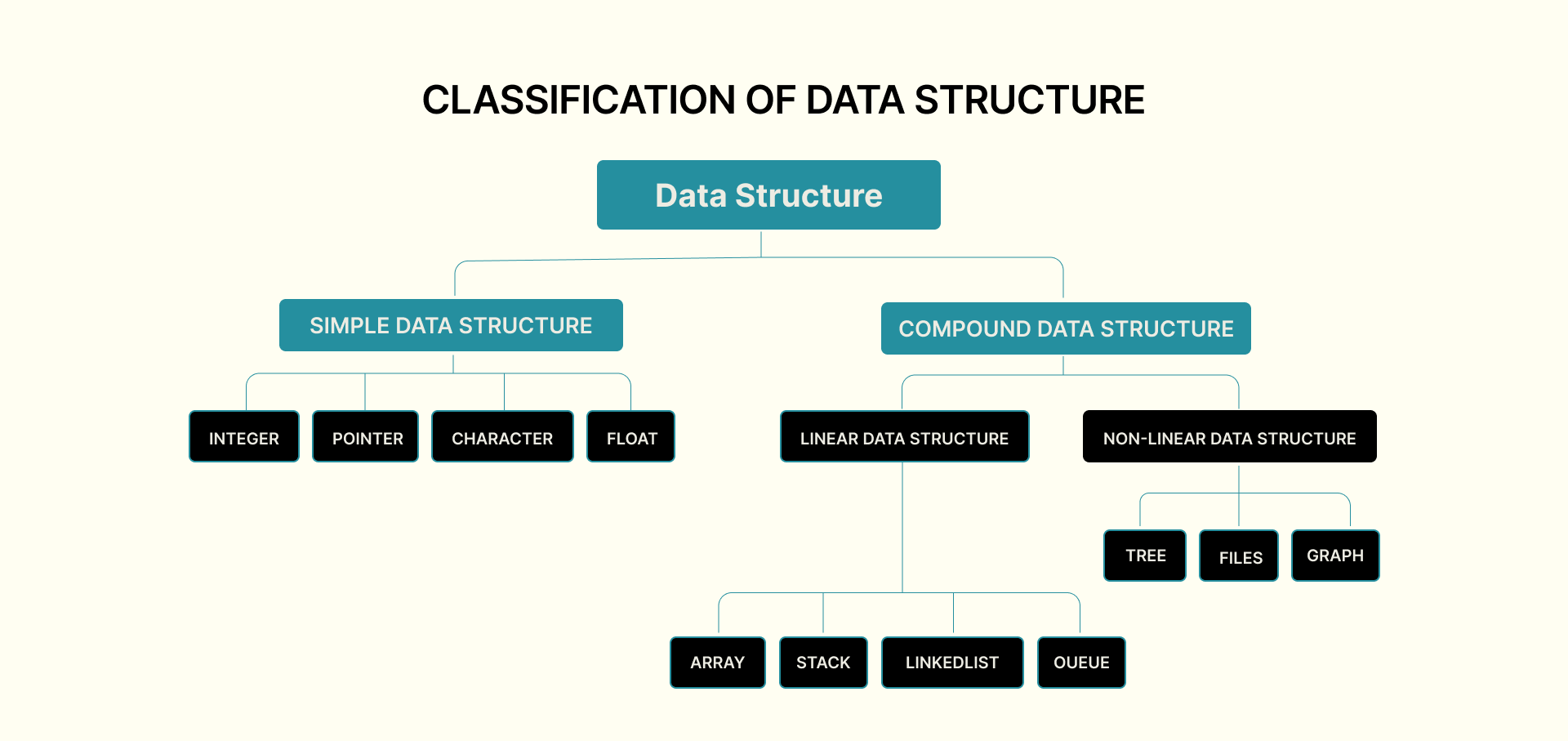
 It’s easy to fall into the trap of grinding through hundreds of coding problems without real improvement. True growth comes from deliberate practice—focused, reflective problem-solving that strengthens your understanding with each attempt. Here’s how to practice with purpose:
 Consistency in coding practice is important, but so is tracking your journey. By keeping a detailed log of your efforts, you gain insights into what’s working, what needs improvement, and how far you’ve come.
Keep a log of:
Consistency in coding practice is important, but so is tracking your journey. By keeping a detailed log of your efforts, you gain insights into what’s working, what needs improvement, and how far you’ve come.
Keep a log of:
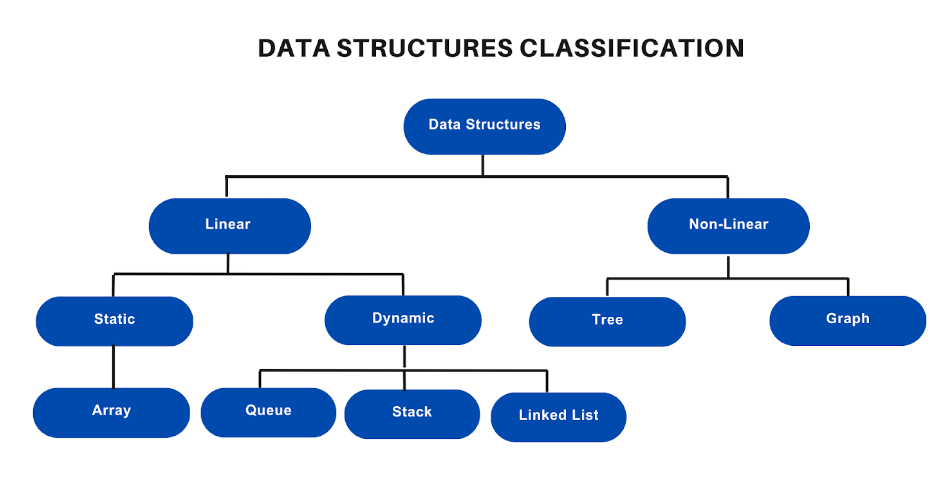
 SynergisticIT’s training tracks include:
Java Full Stack Track:
SynergisticIT’s training tracks include:
Java Full Stack Track:
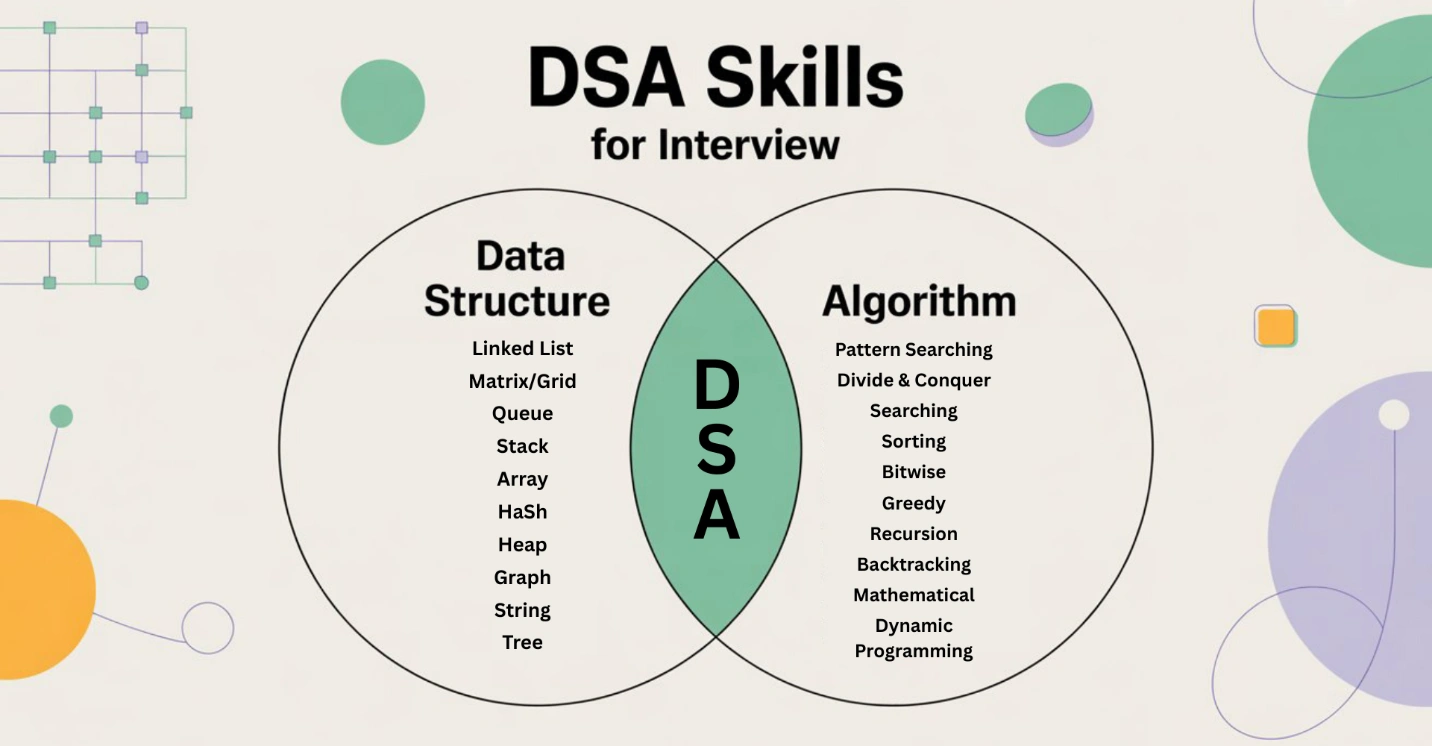 SynergisticIT offers:
 SynergisticIT has placed candidates at: